
 1 / 6
1 / 6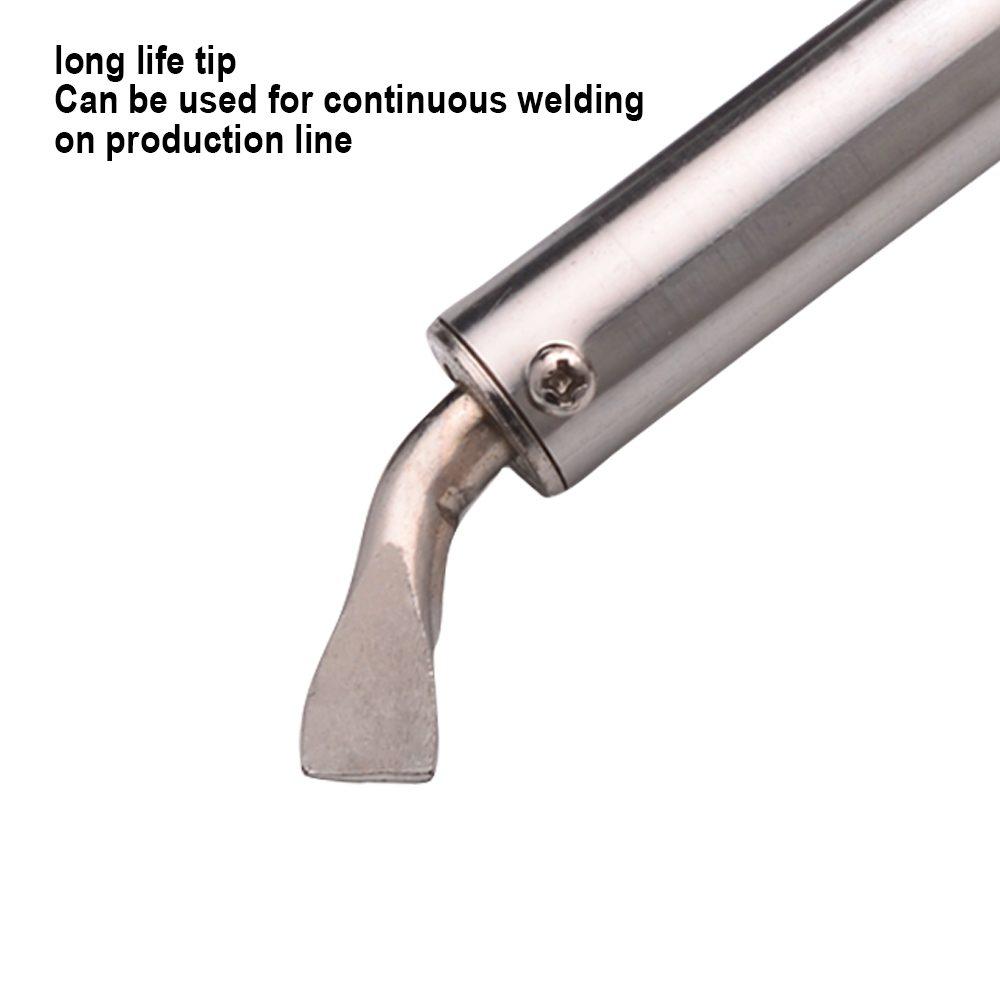
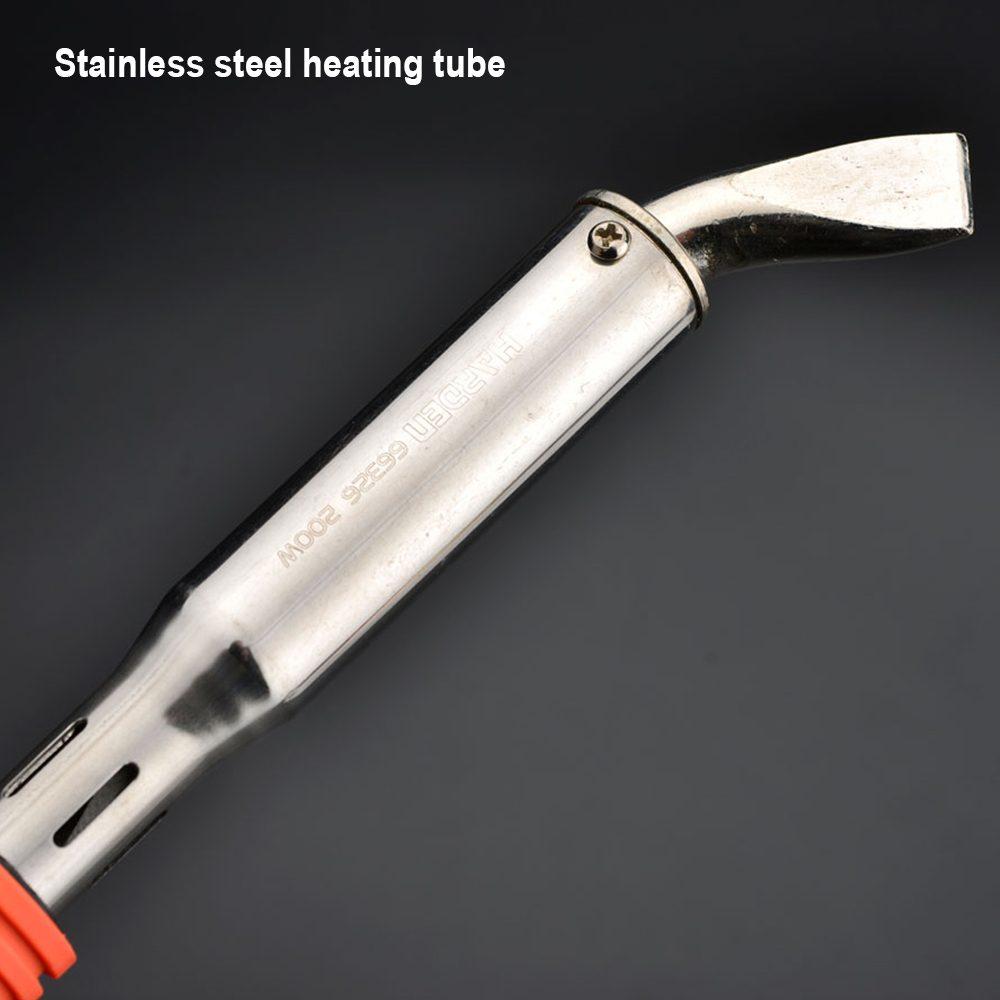
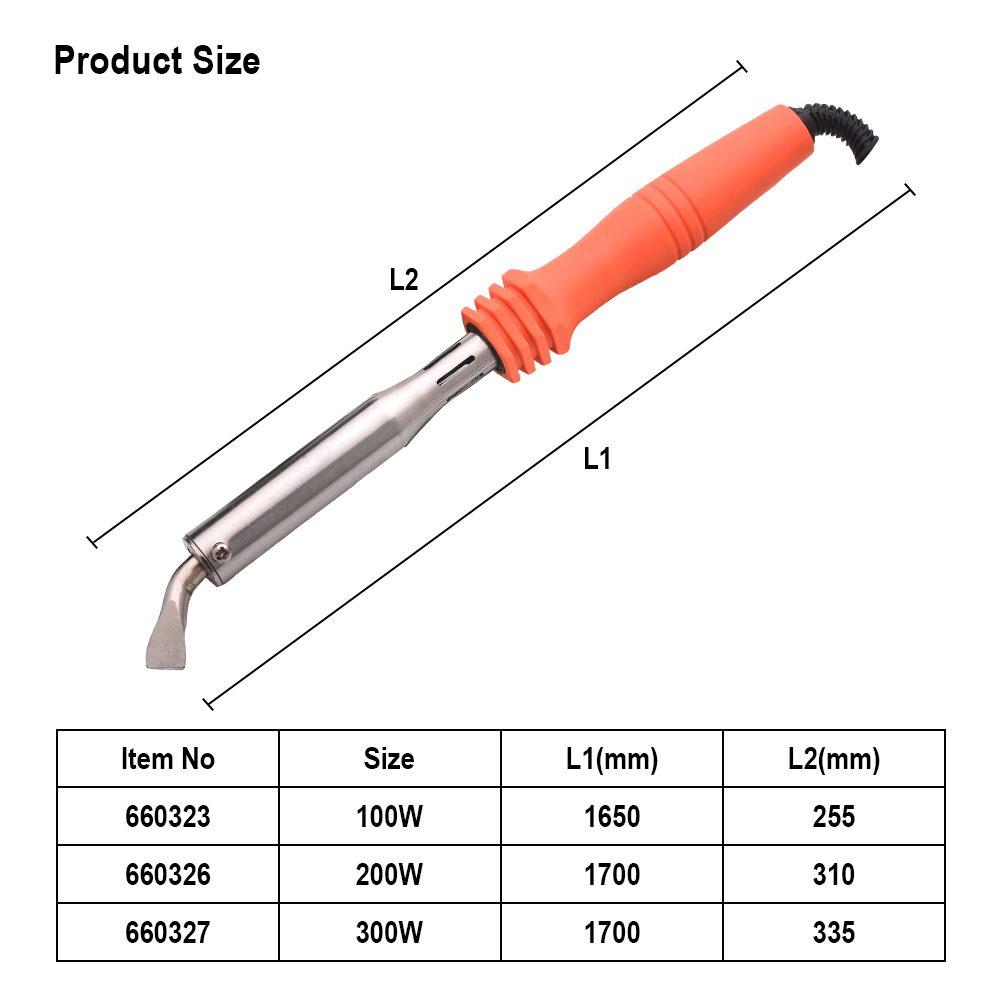
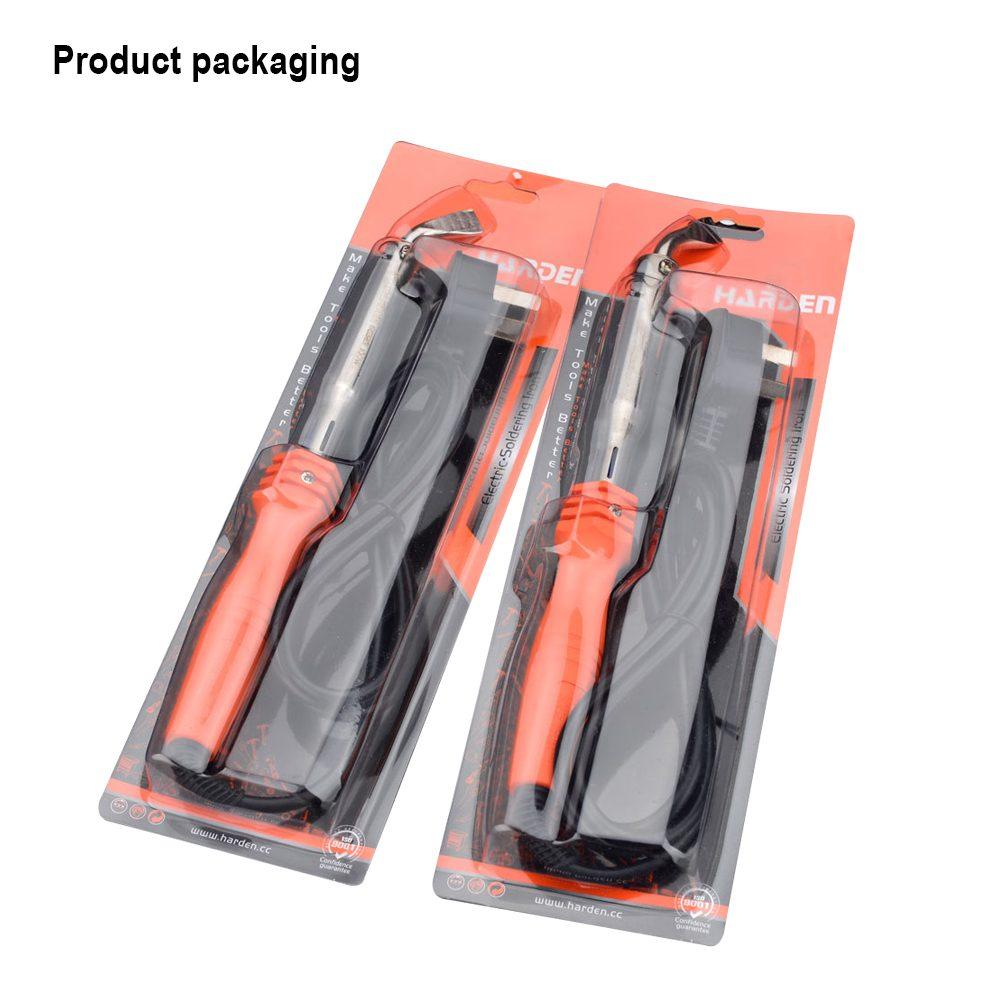
Soldering Iron (100W/220V)
Item No. 660323
Price on request
A hundred watts is a heavy soldering iron, and it exists for the joints that defeat a normal one. Thick cable and cable lugs, battery terminals, heavy earth straps and busbar tags, motor and transformer connections, brass and copper fittings, sheet metal work, stained glass and radiator or tank repairs — these all pull heat out of a tip faster than a small iron can put it back.
The mechanism behind that is worth understanding, because it explains why buying a bigger iron sometimes really is the answer. Wattage is not tip temperature; a 30W and a 100W iron idle at roughly the same heat. What wattage provides is the rate at which the tip can replace heat that has been drawn away. A large joint is a large lump of metal and it conducts heat away from the contact point continuously. If the iron cannot keep up, the tip temperature falls below the point at which solder flows properly, the solder goes pasty and sits on the surface instead of wetting into it, and the result is a dry joint — dull, grey, mechanically weak, electrically resistive, and prone to failing months later under load or vibration. On heavy joints, a small iron does not merely work slowly. It cannot make the joint at all.
The other half of that is the warning. A 100W iron will destroy circuit boards. It lifts copper tracks off the laminate, melts component bodies and cooks semiconductors before you have registered what is happening. Keep it for the heavy work and keep a 30W or 60W iron for anything on a board.
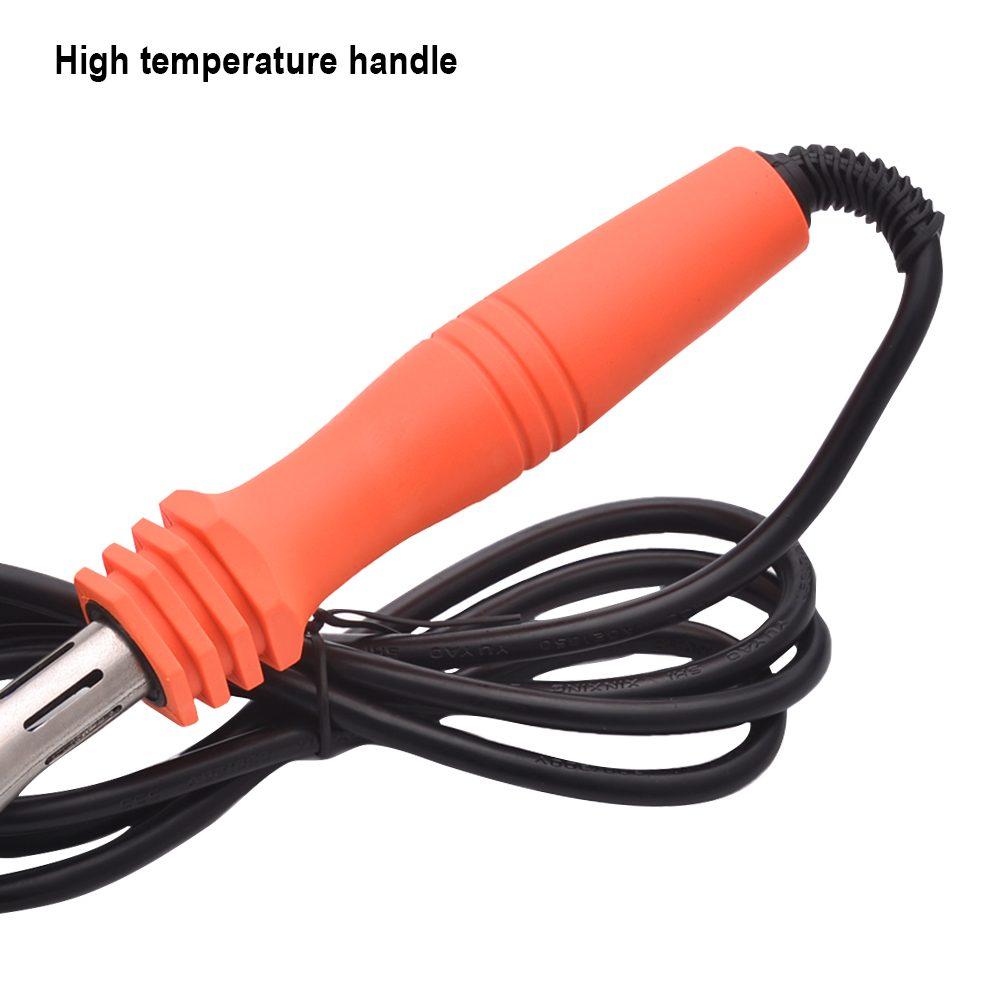
The handle is thermo-plastic, staying cool and comfortable in use, and the catalogue positions it for general electrical repair in the workshop.
The buyers are auto-electricians and vehicle workshops making battery and cable connections, motor rewinding shops, industrial and factory maintenance electricians, radiator and tank repairers, sheet metal and craft workers, and hardware dealers supplying workshops.
Technique matters more at this size, not less. Get the joint clean and mechanically tight first — solder fills and conducts, it does not clamp. Tin the tip and keep it tinned. Heat the work rather than the solder, and feed the solder against the joint so it melts on the metal, which is the only reliable way to know the joint is genuinely hot enough. Support the parts so nothing moves while it freezes. And take the heat seriously: 100W does real damage to insulation, to nearby components and to fingers, so have a proper stand and never rest it on a bench. Ask us on WhatsApp for a price, or for heavier gauge solder to go with it.
Specifications
- Thermo-plastic handle, safe and comfortable
- For general electrical repairs in the workshop
Packing: 48 pcs per carton
Add it to your order and we'll confirm the price and stock, or message/call us right away — retail or trade.
Ask about this product
Leave your details and we'll get back to you — or reach us instantly on WhatsApp or by phone.
More electrical tools
View all →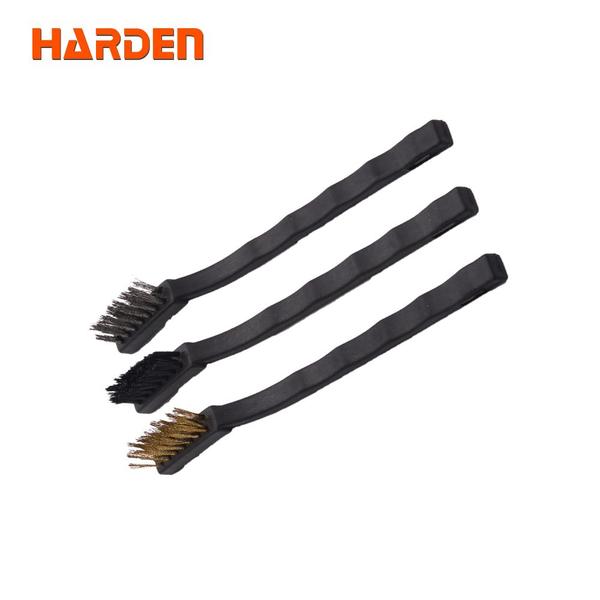
3Pcs Brush Set
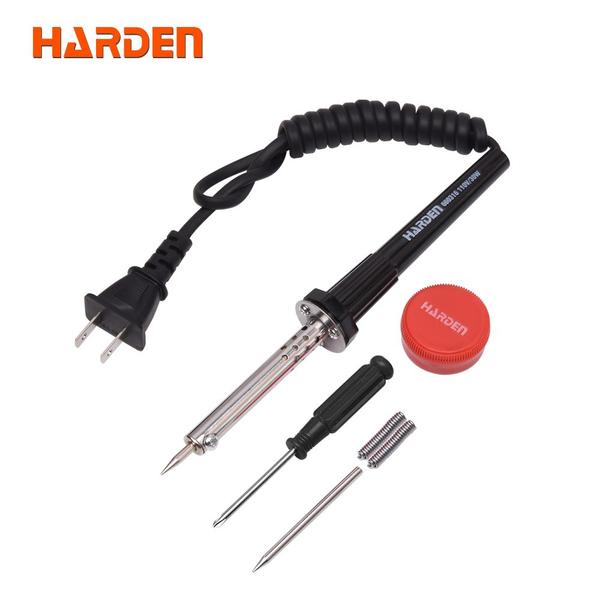
6Pcs Soldering Iron Set (30W/220V)
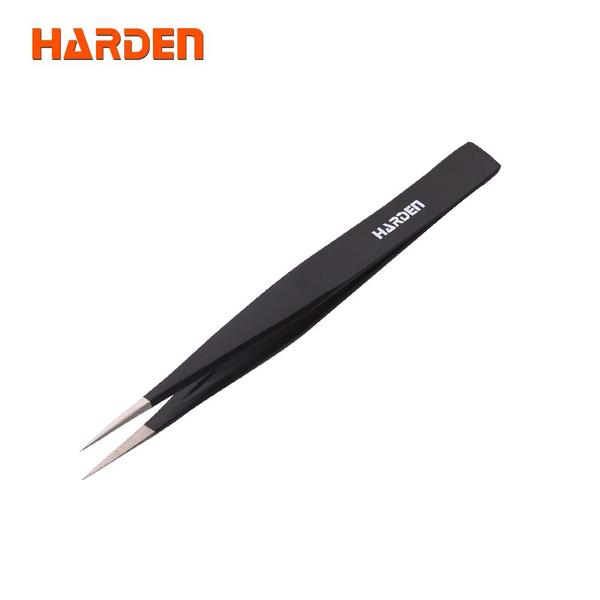
Anti-Static Stainless Steel Tweezer (125mm)
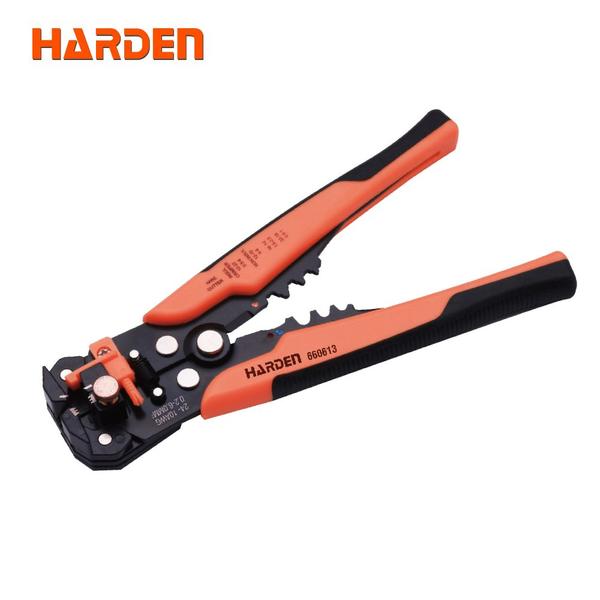
Automatic Wire Stripper (CS-55)
Buying in bulk, or need a stock check?
Message or call us and we'll help you right away — retail or trade.