
 1 / 6
1 / 6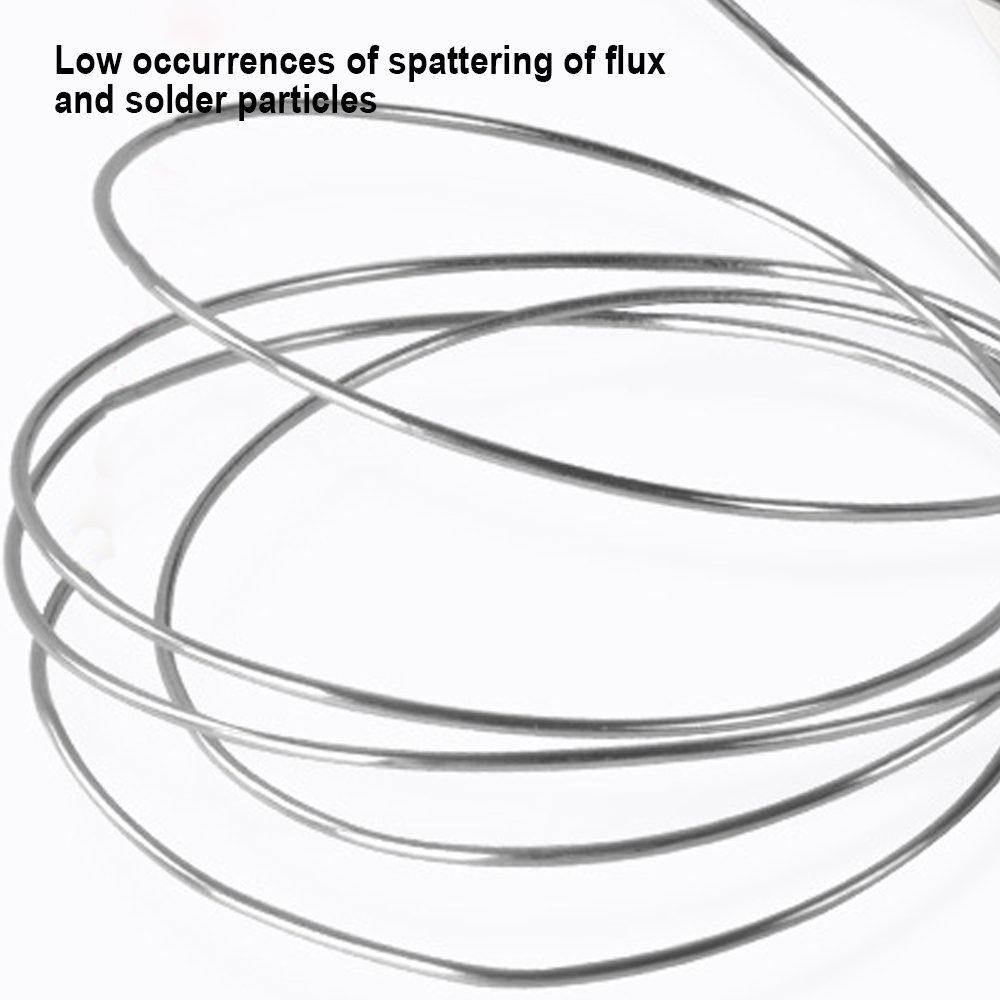
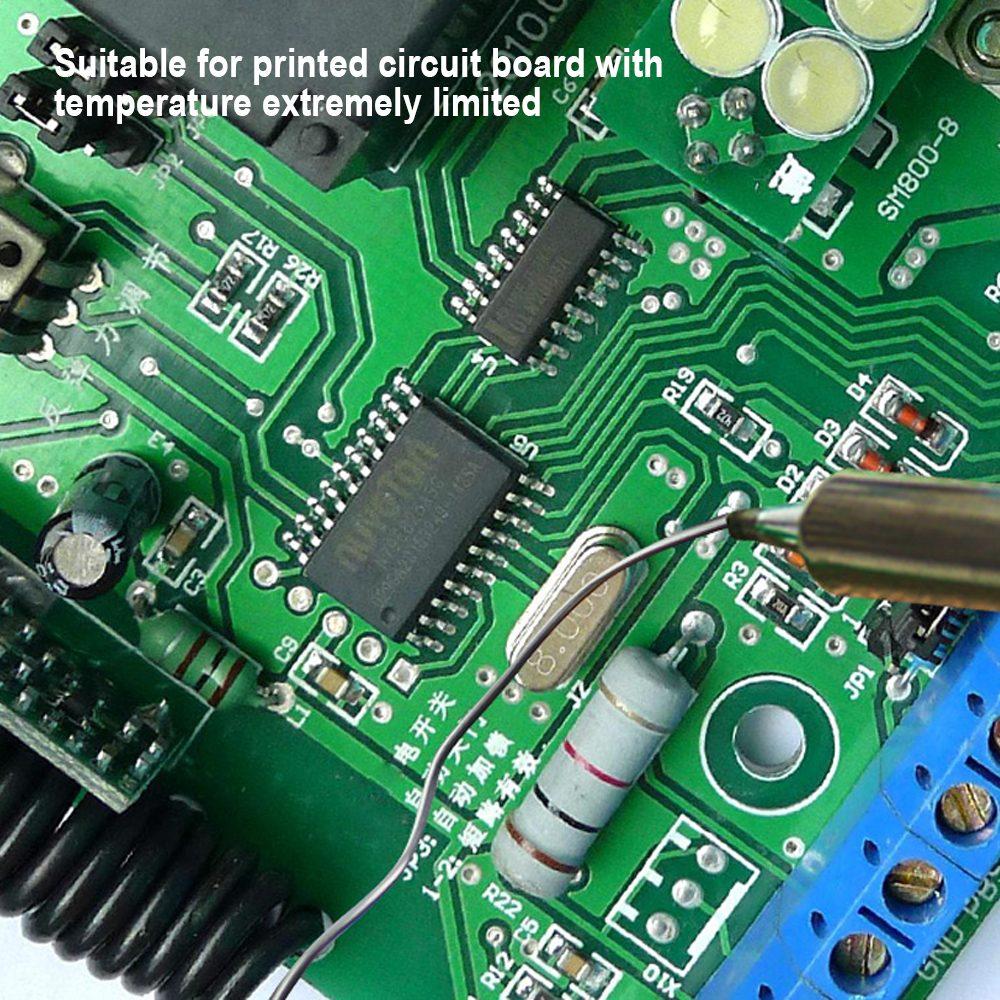
Solder Wire Rosin Core (1.0mm/250G)
Item No. 660356
Price on request
A thicker wire and a bigger reel: 1.0mm diameter and 250 grams, against 0.8mm and 100g for the fine version. Both numbers point at the same customer — somebody soldering general electrical joints rather than fine board work, and doing it often enough that running out matters.
Diameter is the specification that decides which wire suits your work, and it is really about delivery rate. A thicker wire puts more solder onto the joint per second, which is what you want on anything with mass: cable to terminal, wire to tag, connector barrels, motor and appliance leads, heavier multicore. Feeding a joint like that with fine wire means holding the iron on the work far longer than necessary while you feed and feed, and the longer heat sits on a joint the more likely you are to cook insulation, melt a connector body or damage something adjacent. Conversely, 1.0mm on a small circuit board pad delivers more solder than the pad can take before you can lift the wire away, which is how bridges and blobs happen. Match the wire to the joint and both problems disappear.
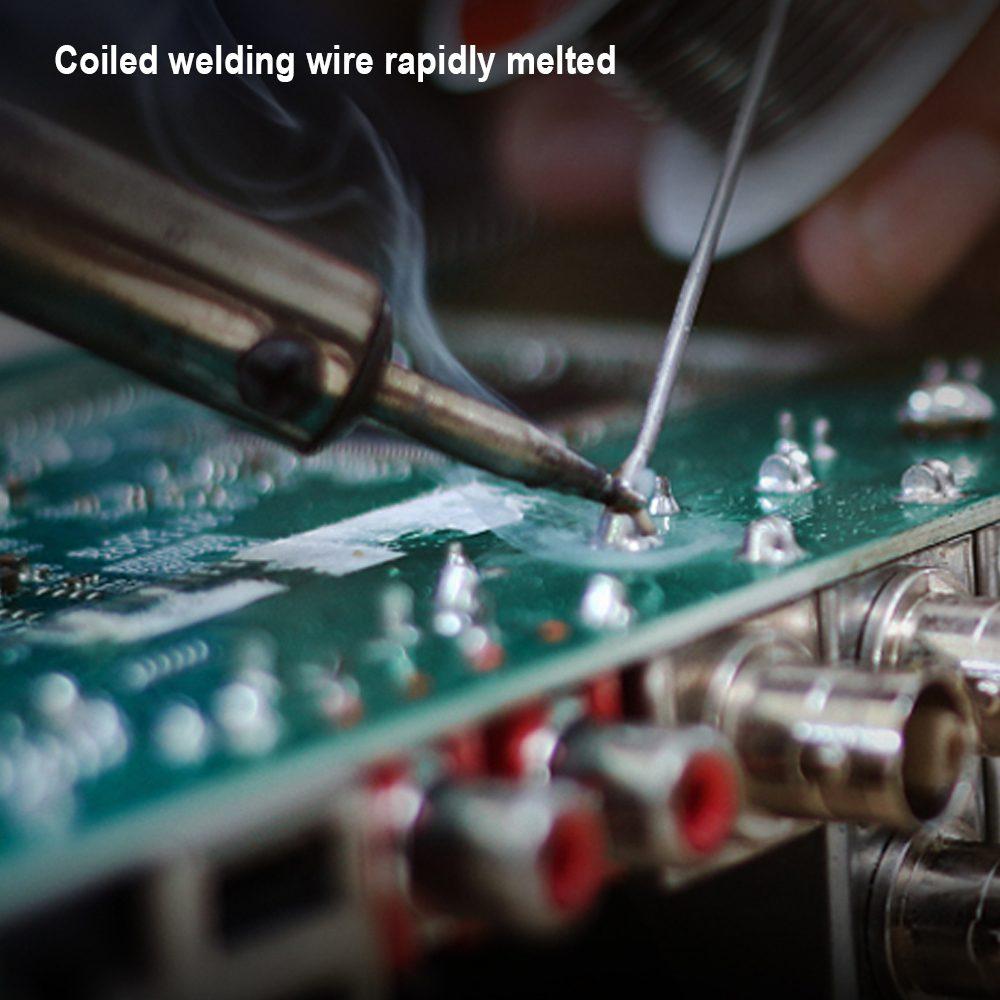
The construction is rosin core — the wire is a tube filled with rosin flux rather than solid alloy. Flux matters because metal oxidises the instant it is heated, and solder will not bond to oxide; it beads up and rolls off. Carrying the flux inside the wire delivers it to the joint at precisely the right moment, without a separate bottle or brush. The specification's note about low spattering is worth having, since flux boiling off cheap wire throws hot specks toward your face and across the work.
The 250g reel is a working quantity. Anybody making joints daily gets through a 100g reel quickly, and running out mid-job is worse than the small extra cost.
The alloy is tin-lead, and lead is a cumulative poison, so the handling habits are worth stating. Solder in ventilated air and keep your face out of the rising fume — that fume is boiling flux, which is an irritant in its own right. Do not eat, drink or smoke at the bench, wash your hands afterwards, and keep it away from children. Tin-lead remains the standard for good reason: it melts lower and wets more readily than lead-free alloys, which makes reliable joints easier to achieve.
The buyers are electricians and electrical repair technicians, auto-electricians and vehicle workshops, motor rewinders, appliance and white goods repairers, maintenance departments, and hardware dealers supplying the trade.
Store it dry, keep the end tucked into the reel so it does not unwind into a tangle, and keep a 0.8mm reel alongside if any of your work is on boards. Ask us on WhatsApp for a price on either size, or on both together.
Specifications
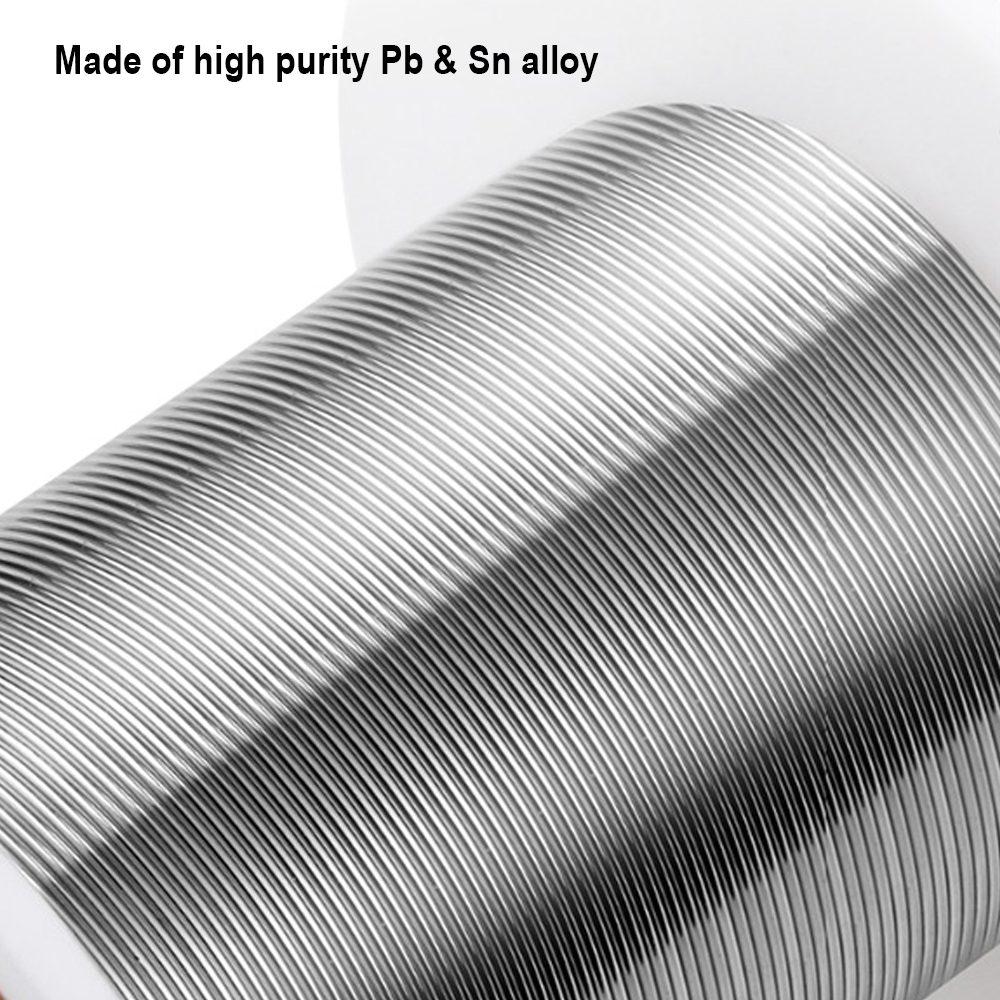
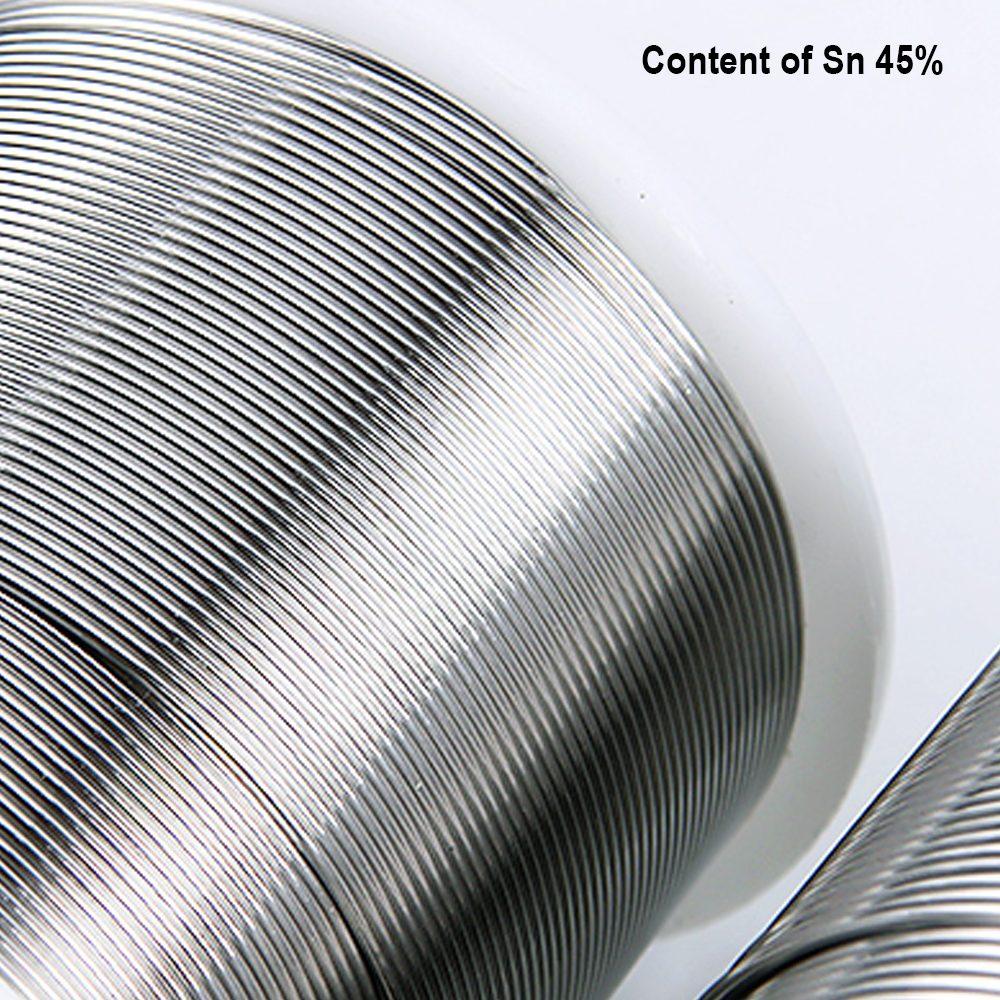
- Tin-Lead solder bar
- Excellent solderability properties
- Low occurrences of spattering of flux and solder particles
Packing: 100 pcs per carton
Add it to your order and we'll confirm the price and stock, or message/call us right away — retail or trade.
Ask about this product
Leave your details and we'll get back to you — or reach us instantly on WhatsApp or by phone.
More electrical tools
View all →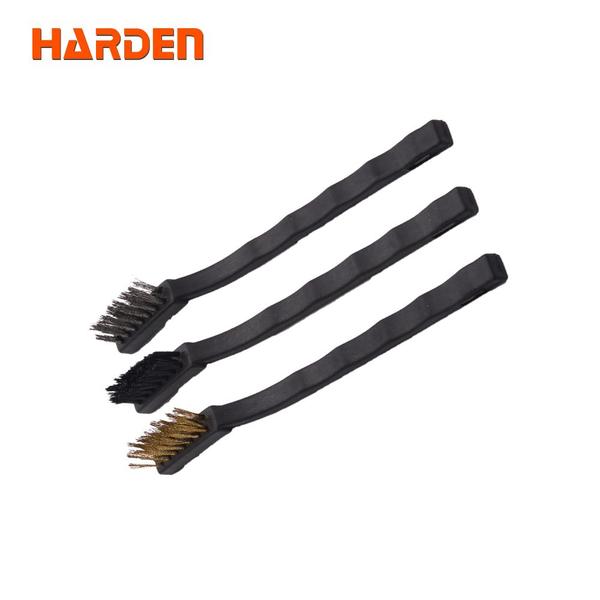
3Pcs Brush Set
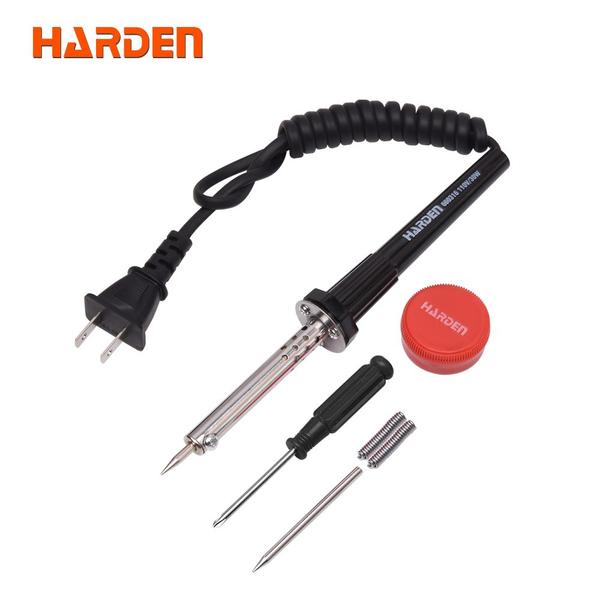
6Pcs Soldering Iron Set (30W/220V)
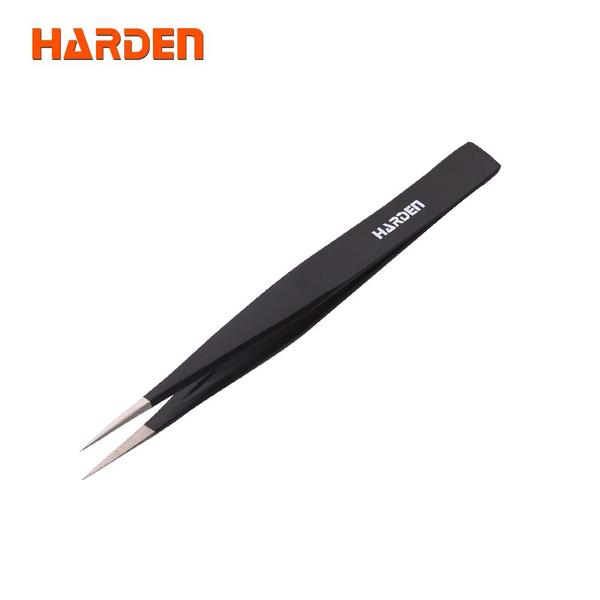
Anti-Static Stainless Steel Tweezer (125mm)
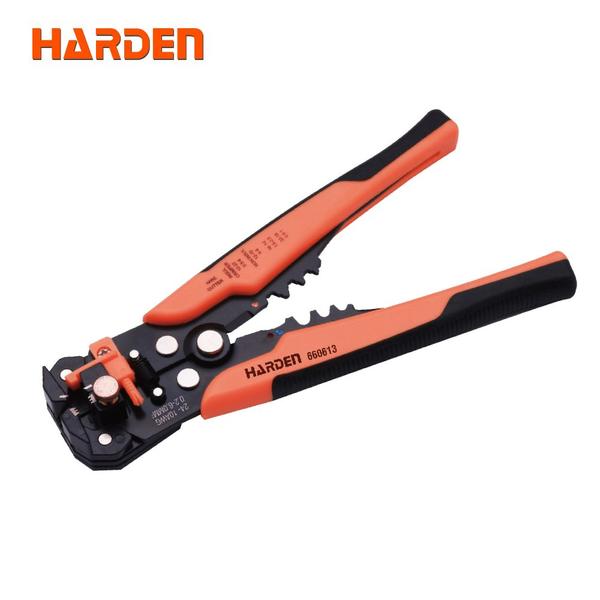
Automatic Wire Stripper (CS-55)
Buying in bulk, or need a stock check?
Message or call us and we'll help you right away — retail or trade.