
 1 / 6
1 / 6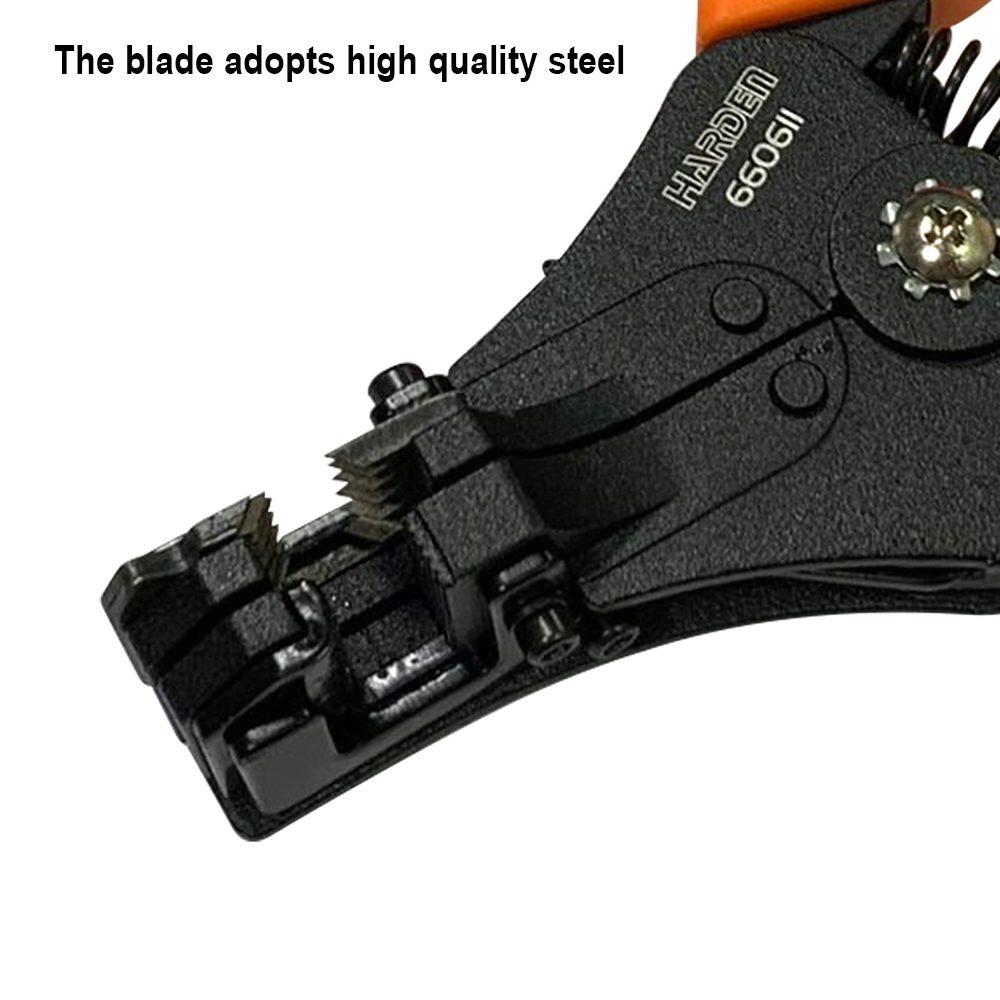
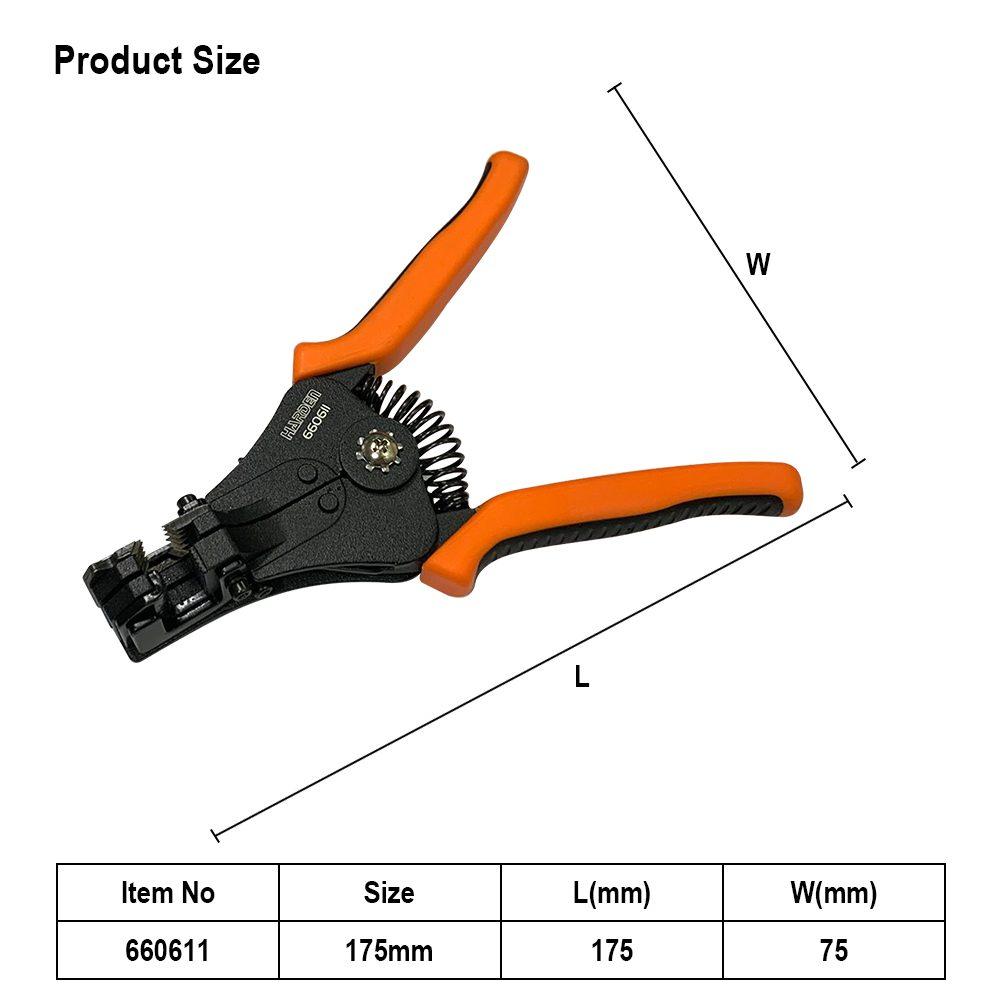
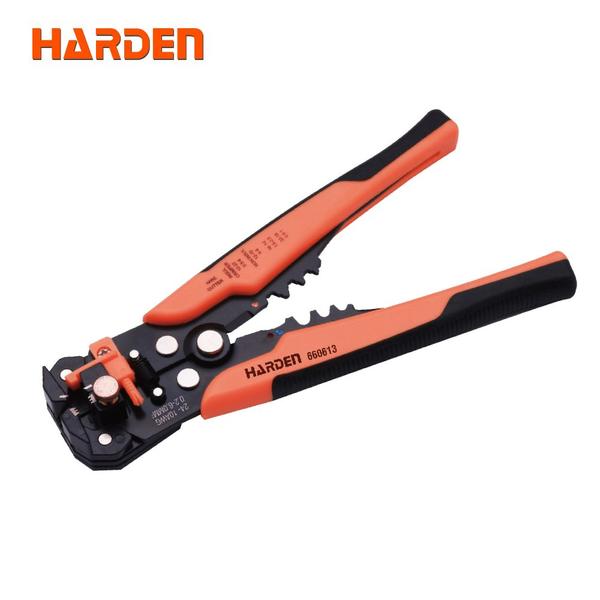
Automatic Wire Stripper (Z-Alloy)
Item No. 660611
Price on request
The phrase to understand on this tool is bypass action, because it describes a cutting geometry that is genuinely better for stripping and it is not what most people picture. A bypass blade works the way scissors do: two edges pass one another rather than meeting head-on. The alternative, an anvil action, drives a single blade down onto a flat face, which crushes what it cuts. On insulation that difference is exactly what you want — a bypass edge slices the insulation cleanly and comes to a stop, where an anvil edge squashes the insulation onto the conductor and tends to bite into the copper as it bottoms out.
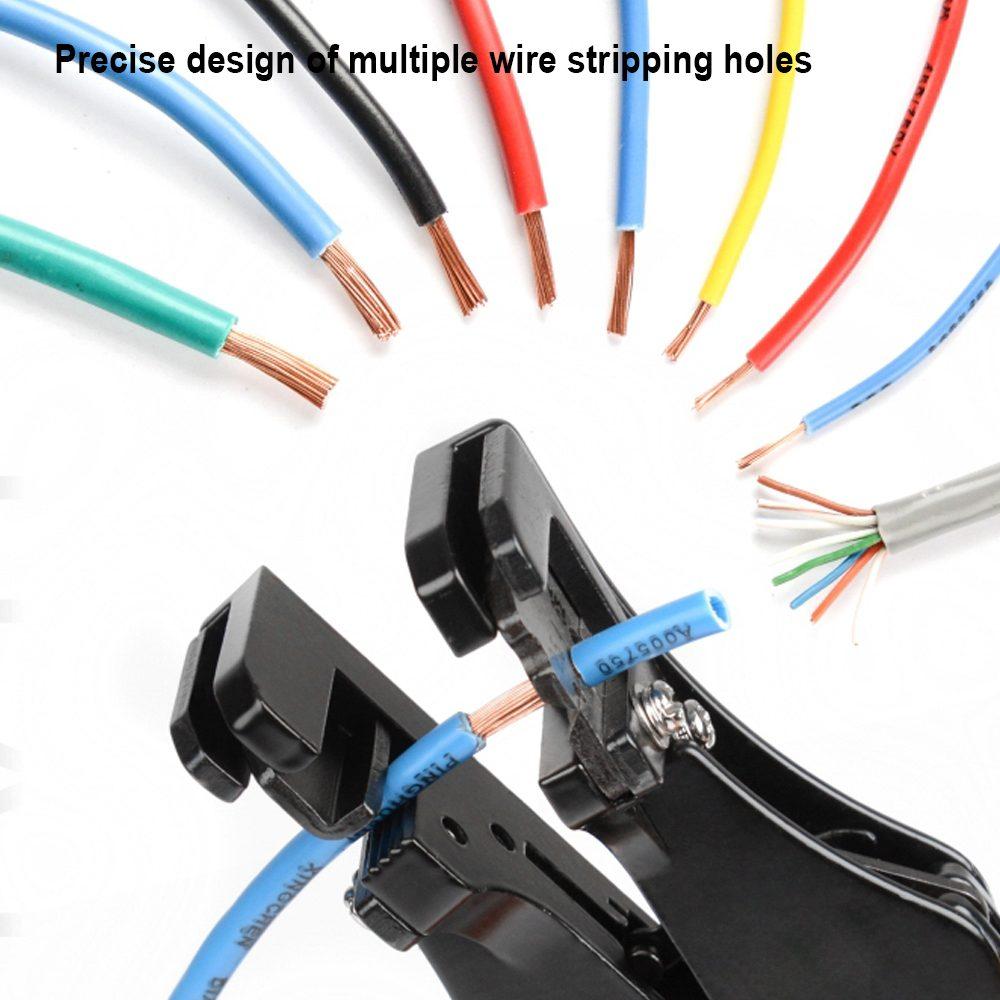
The rating is for wire up to 3.2mm diameter, stripping single core to the same figure. That places it squarely on solid conductor installation wiring — lighting and socket circuits, fixed wiring in conduit and trunking, and the single-core work that makes up most domestic and light commercial installation.
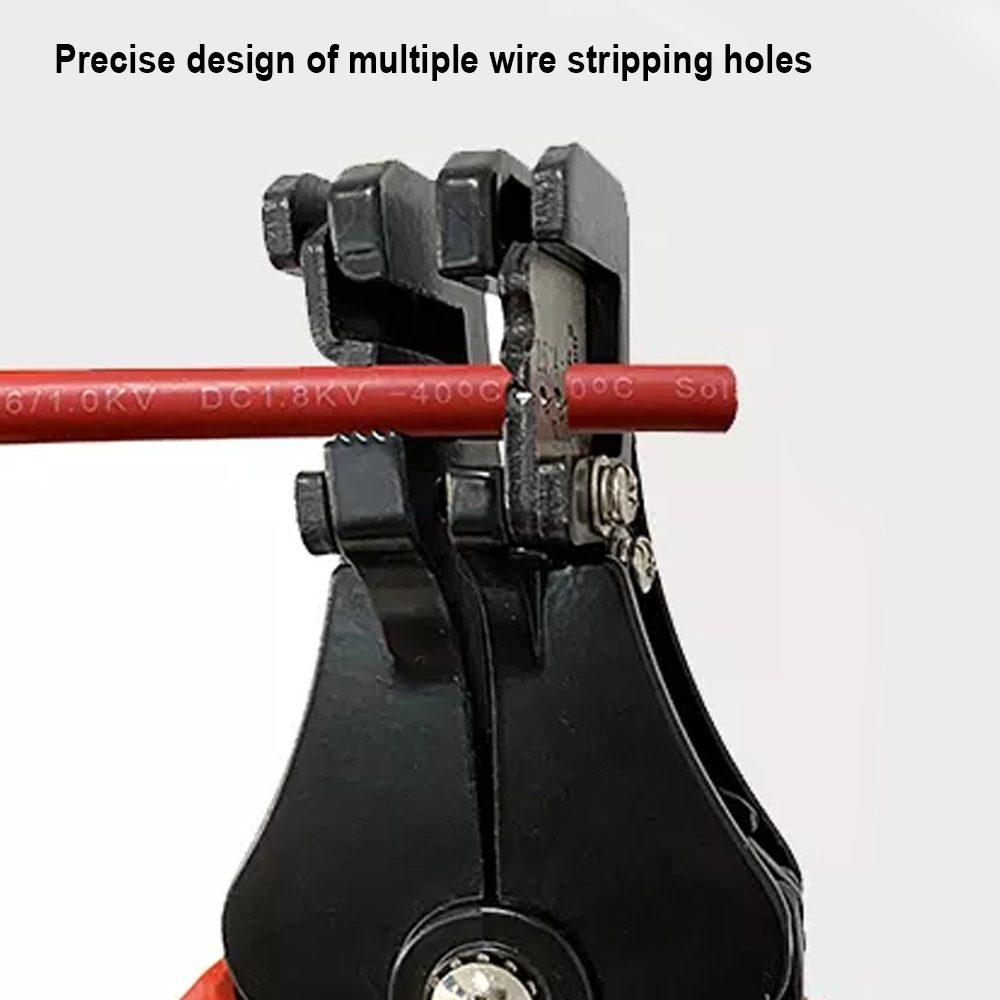
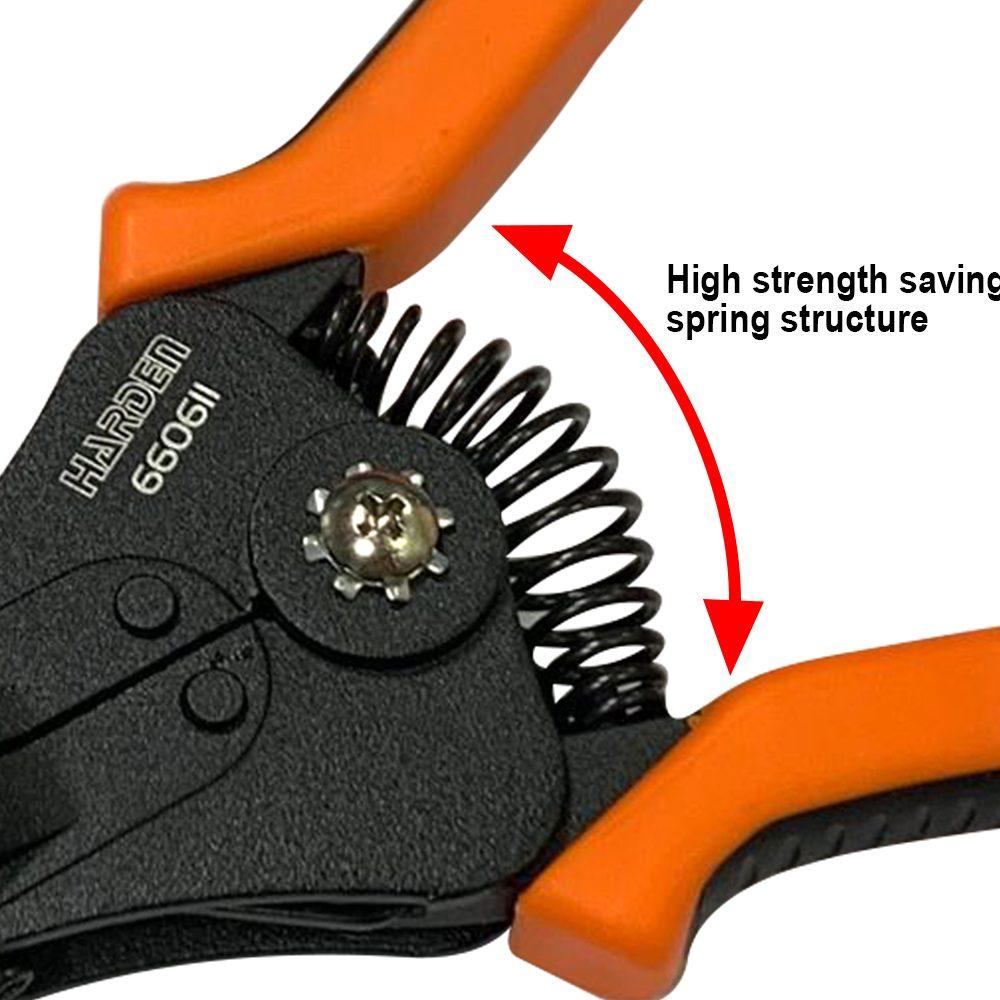
Being automatic, the tool takes its own measurement. One set of jaws grips the cable, another cuts and pulls the insulation off in the same squeeze, and the depth is set by the mechanism rather than by you choosing a hole. That removes the fault that matters most in electrical work, which is nicked strands or a scored conductor. A conductor scored by a stripper has less metal carrying current at that point, so it runs warmer, and it has a mechanical weak spot exactly where the cable will be bent into a terminal. Faults from that show up months later as an intermittent connection or as heat at a terminal, and heat at a terminal inside a consumer unit is how electrical fires start.
The body is described as Z-alloy — a zinc alloy die casting, which is the usual construction for this class of tool and gives a rigid, dimensionally accurate frame straight from the mould, holding the two jaw sets in proper alignment with each other. That alignment is the whole basis of automatic stripping.
The buyers are electricians and electrical contractors doing fixed installation work, panel builders, maintenance electricians, solar and equipment installers, and hardware dealers supplying the electrical trade.
A few working notes. Strip only what the terminal needs — exposed copper beyond a terminal is both a shock risk and a short-circuit risk, and it is one of the things an inspector looks for first. Feed the cable in square rather than at an angle so the blades meet it evenly. Keep insulation debris out of the mechanism, since packed offcuts are what makes an automatic stripper start slipping or stripping short. And check the first strip of any unfamiliar cable by eye before running through a whole board, because insulation thickness varies between manufacturers. If your work includes larger conductors, the CS-55 version in this range handles up to 8.0mm. Message us on WhatsApp for a price.
Specifications
- Bypass action cutting blade for wire up to 3.2mm diameter
- For stripping single core up to 3.2mm
Packing: 48 pcs per carton
Add it to your order and we'll confirm the price and stock, or message/call us right away — retail or trade.
Ask about this product
Leave your details and we'll get back to you — or reach us instantly on WhatsApp or by phone.
More electrical tools
View all →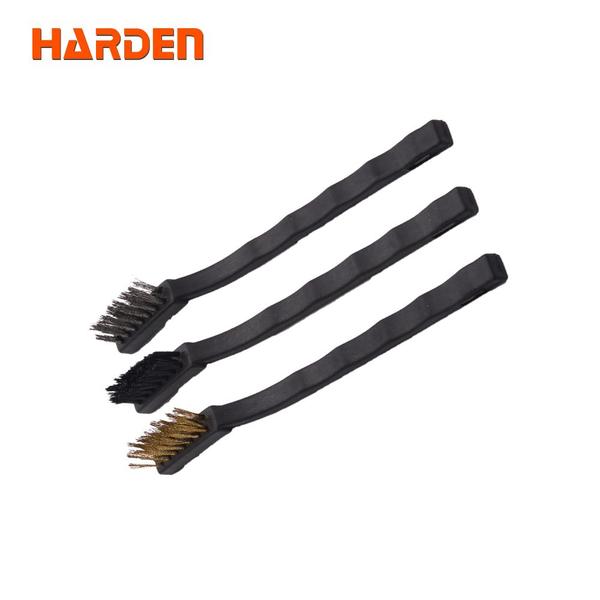
3Pcs Brush Set
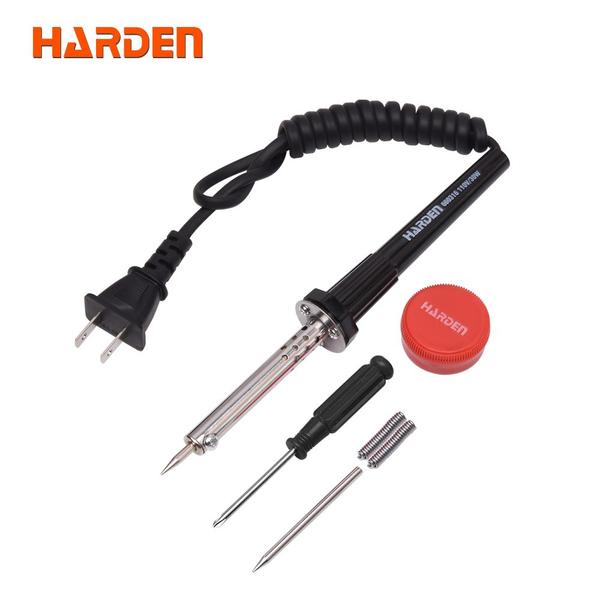
6Pcs Soldering Iron Set (30W/220V)
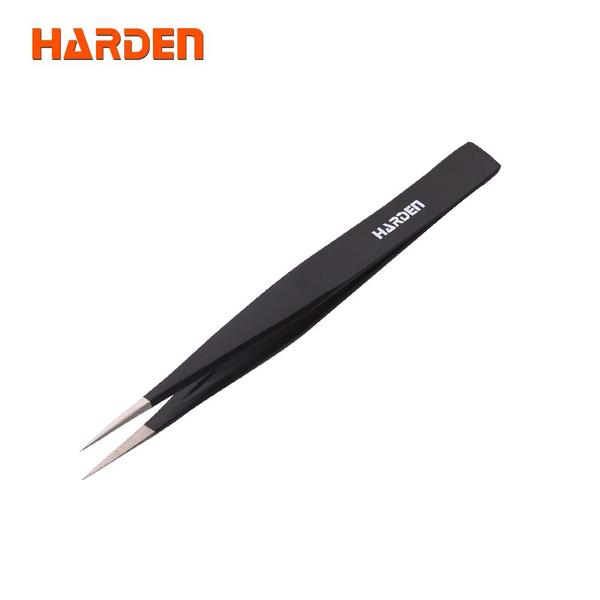
Anti-Static Stainless Steel Tweezer (125mm)
Automatic Wire Stripper (CS-55)
Buying in bulk, or need a stock check?
Message or call us and we'll help you right away — retail or trade.