
 1 / 6
1 / 6
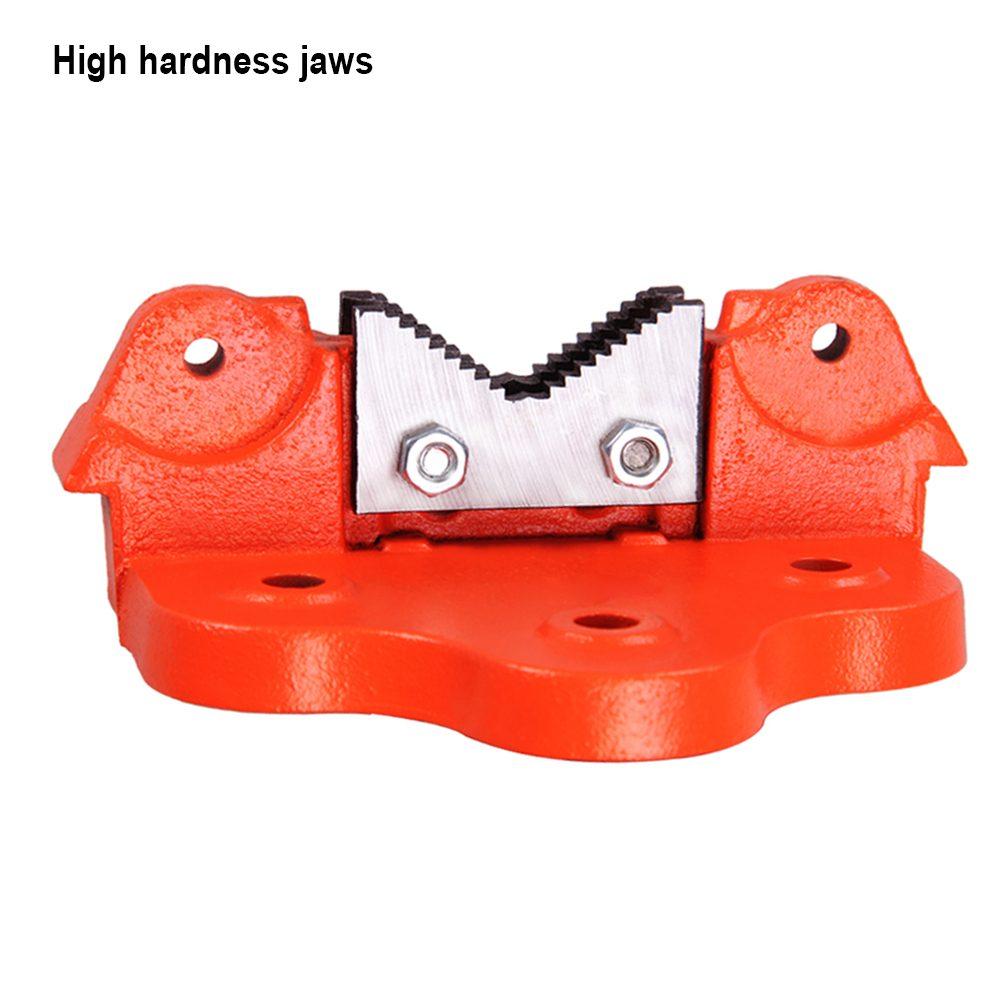
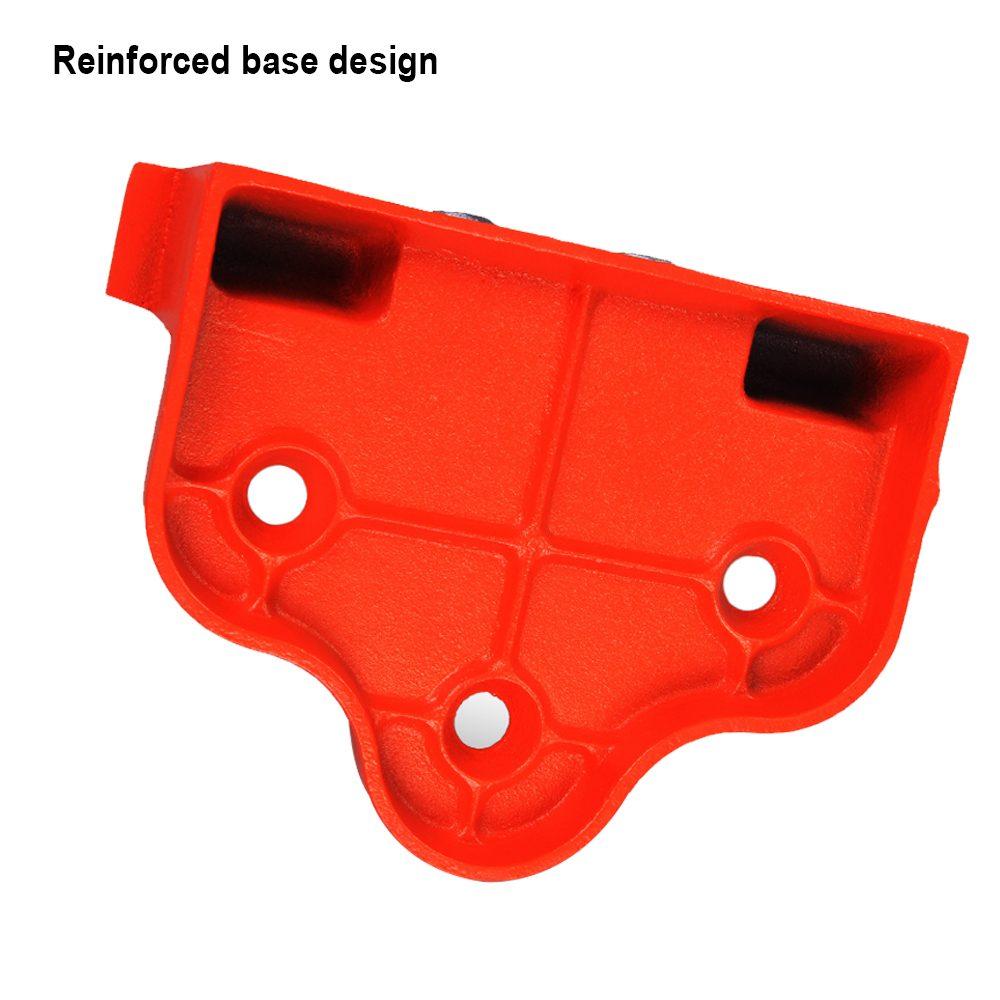
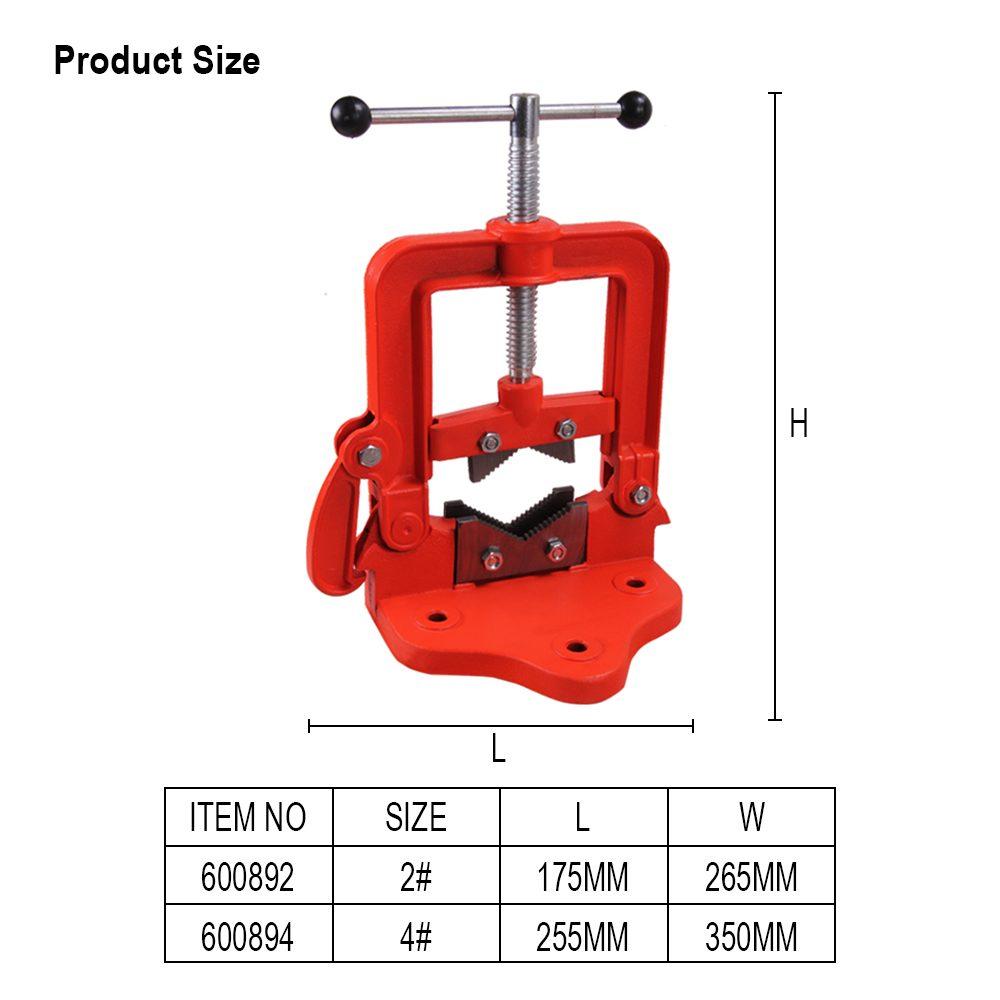
Table bench vices (4#)
Item No. 600894
Price on request
This is a table bench vice in the 4# size, and its specification says something the others in this range do not: alloy steel teeth. That is the line worth stopping on, because on a vice the jaw teeth are where all the work happens and they are the part that decides whether the tool still grips properly in a few years.
The jaws of a bench vice are cut with a diamond or cross pattern of teeth whose whole job is to bite into a workpiece and stop it turning. Every time something hard is gripped, those teeth take the punishment. Soft teeth round off, and a vice with rounded teeth is a vice that lets work slip under a file or a hacksaw — which is the point at which most people give up on a vice, long before anything has actually broken. Alloy steel is steel with elements added specifically to raise hardness and wear resistance beyond what plain carbon steel offers, so teeth made from it keep their edges through work that would blunt ordinary jaws.
There is a practical consequence for the user. Hard, sharp teeth grip very well and they also mark very well. On raw steel stock that is exactly what you want. On anything threaded, plated, machined, polished or soft — brass fittings, aluminium, finished components, pipe you intend to reuse — you need soft jaw liners between the work and the jaws, and a folded strip of aluminium or copper sheet does the job perfectly. It is worth making a pair and keeping them with the vice, because the moment you decide to grip something delicate without them is the moment the part is ruined.
The body is described as forged cast iron. Cast iron is the traditional vice material for good reason: extremely stiff, dimensionally stable, and very good at damping the vibration that makes a file chatter and a hacksaw wander. Mass and stiffness are most of what a vice does.
The buyers are general workshops and maintenance benches, plumbers and electricians, motorcycle and small engine repairers, agricultural and estate workshops, training and school workshops, and households. Hardware dealers sell this size as an everyday bench vice.
Mount it on something solid, with all the fixing holes used and washers or a plate underneath, and with the jaws overhanging the front edge so long material can hang down past the bench rather than being held crooked. Aim for the jaw tops around elbow height. Keep the screw and slide greased and free of swarf, since grit in the slide is what makes a vice stiff and eventually loose. Tighten by hand only. And use the anvil pad rather than the jaws when something needs hitting — hammering on the jaw tops is the fastest way to wreck any vice. Ask us on WhatsApp for a price, or for it alongside a set of soft jaw liners.
Specifications
- Forged cast iron
- Alloy steel teeth
Packing: 2 pcs per carton
Add it to your order and we'll confirm the price and stock, or message/call us right away — retail or trade.
Ask about this product
Leave your details and we'll get back to you — or reach us instantly on WhatsApp or by phone.
More clamps & vices
View all →
Buying in bulk, or need a stock check?
Message or call us and we'll help you right away — retail or trade.