
 1 / 6
1 / 6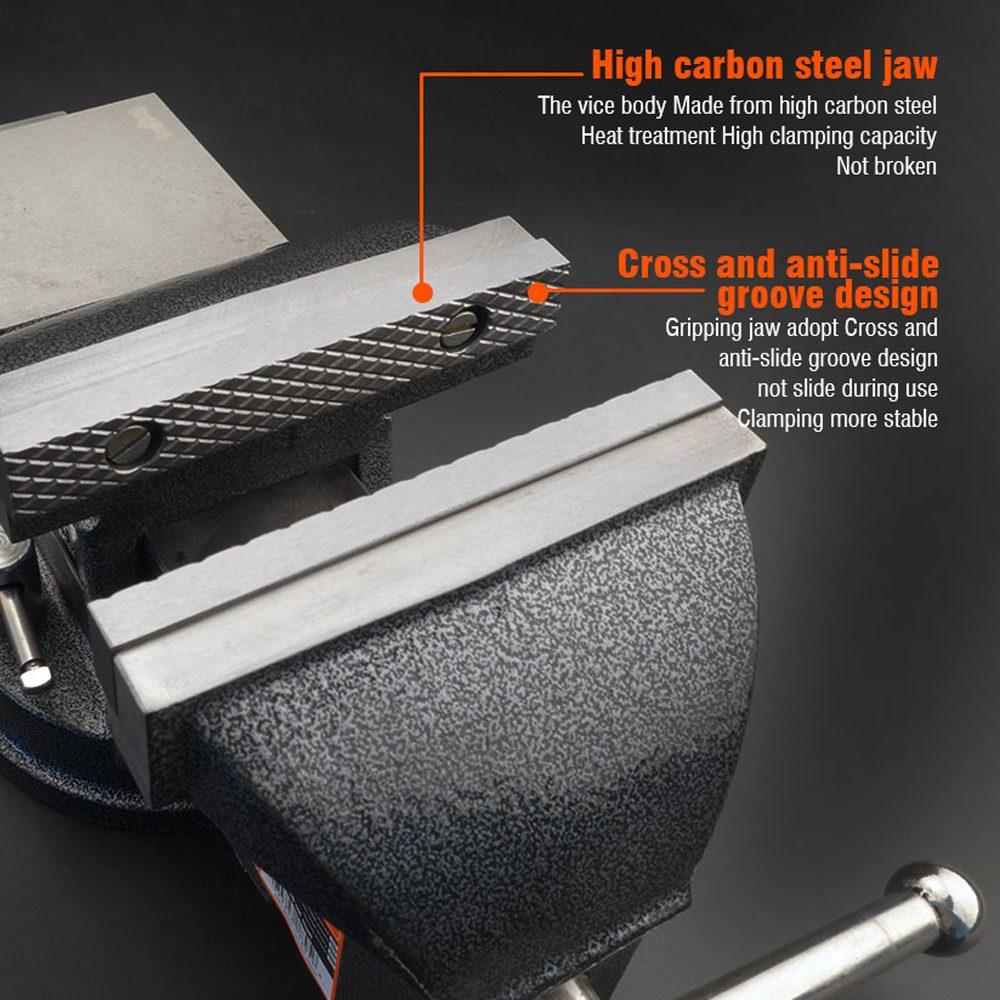
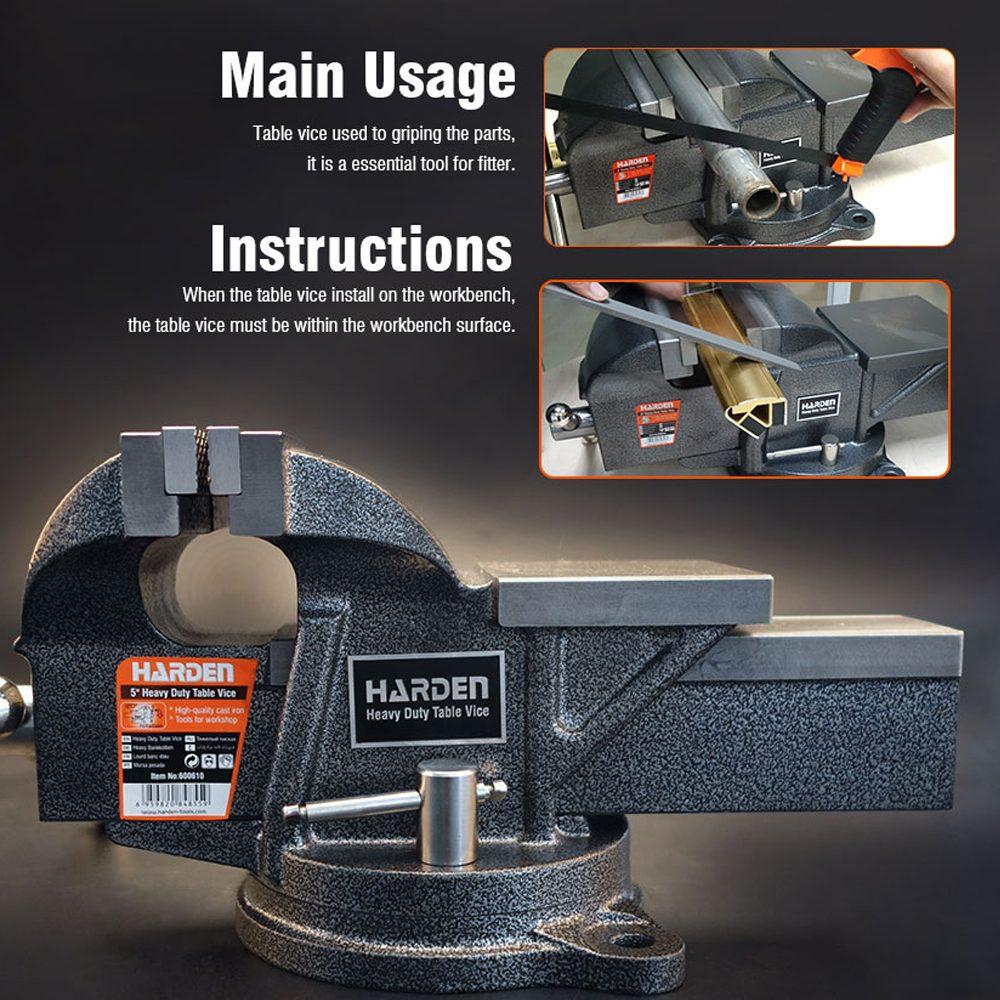
Heavy Duty Table Vice (4")
Item No. 600609
Price on request
Four inches is the size most workshops should be buying, and if there is one general recommendation to make across this range, that is it. Four inches of jaw takes on the great majority of what a working bench sees — sections of angle and channel, pipe and tube, brackets and plates, castings, engine and machine components, and long work held at one end — while still fitting on a normal bench and still being tightened comfortably by hand.
The jump from three inches is bigger than a single inch of jaw suggests, because a larger vice is not just wider. The screw is heavier, the slide is longer and better supported, the whole casting is more massive, and mass is the quiet quality of a good vice. A heavy vice absorbs the vibration of filing and hacksawing instead of transmitting it into the work, so cuts run true and files cut cleanly instead of chattering. Anyone who has used a light vice and then a heavy one on the same job knows the difference immediately.
It is a cast steel bench vice. That is the specification worth paying for, because the alternative in this class is almost always cast iron, and the way a bench vice dies is by cracking. Vices get hammered on, levered against and wound up far tighter than they should be, and cast iron under that treatment breaks suddenly — typically through the slide or across the mounting base. Cast steel is tough rather than brittle, so it takes the abuse and deforms rather than shattering.
The buyers are engineering and fabrication workshops, vehicle and motorcycle garages, plumbers and electricians with a workshop bench, agricultural and plant maintenance, schools and training workshops, and hardware dealers supplying small trade customers. It is the standard trade size.
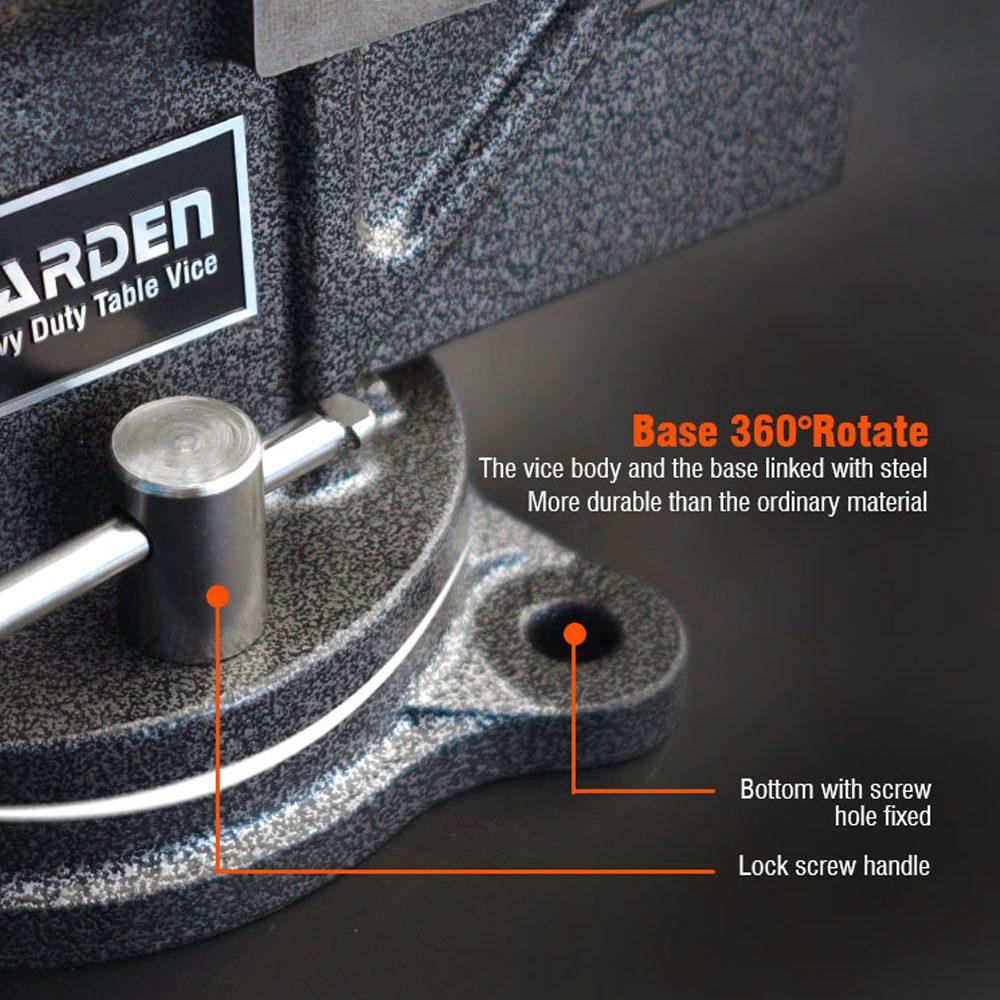
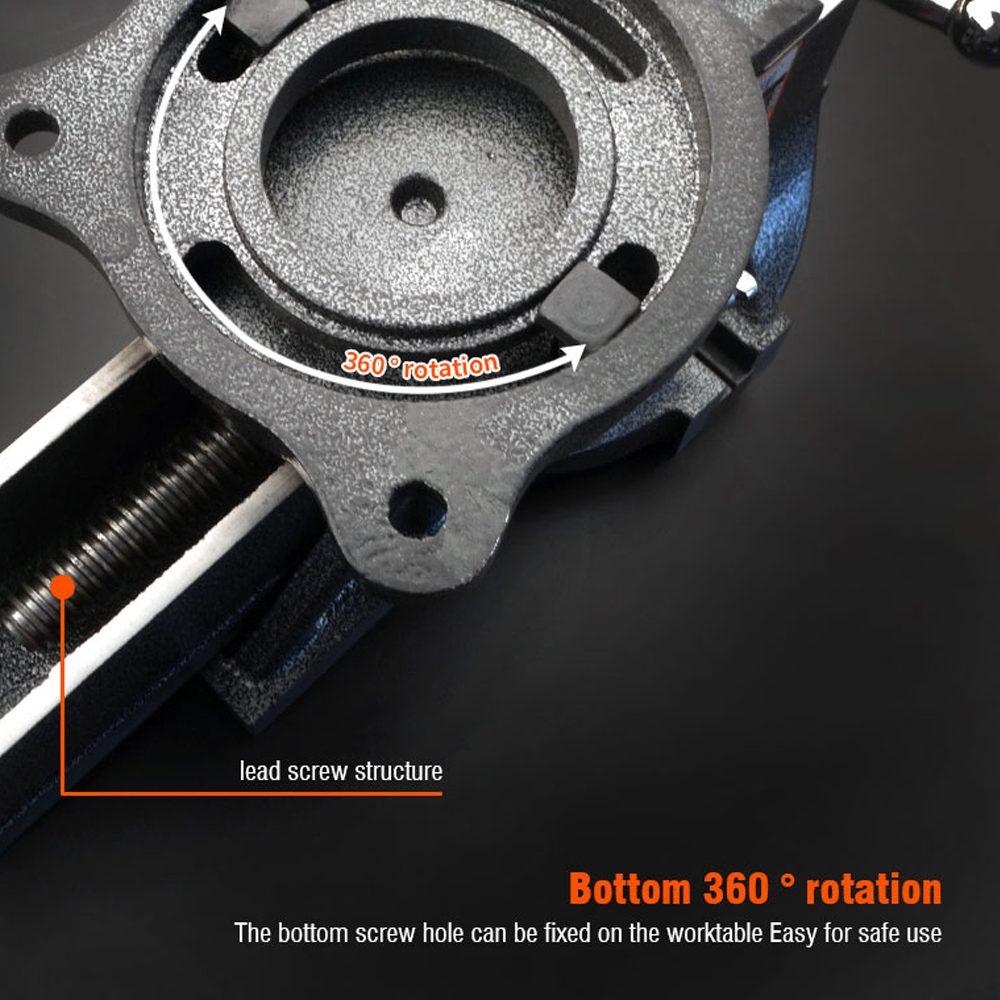
How it is mounted determines how well it works. Bolt it through a solid bench with every hole used, washers or a plate underneath, and the jaws overhanging the front edge so long material can hang vertically instead of leaning. Set it so the jaw tops are around elbow height. A vice on a bench that flexes or walks is worse than a smaller vice on a solid one.
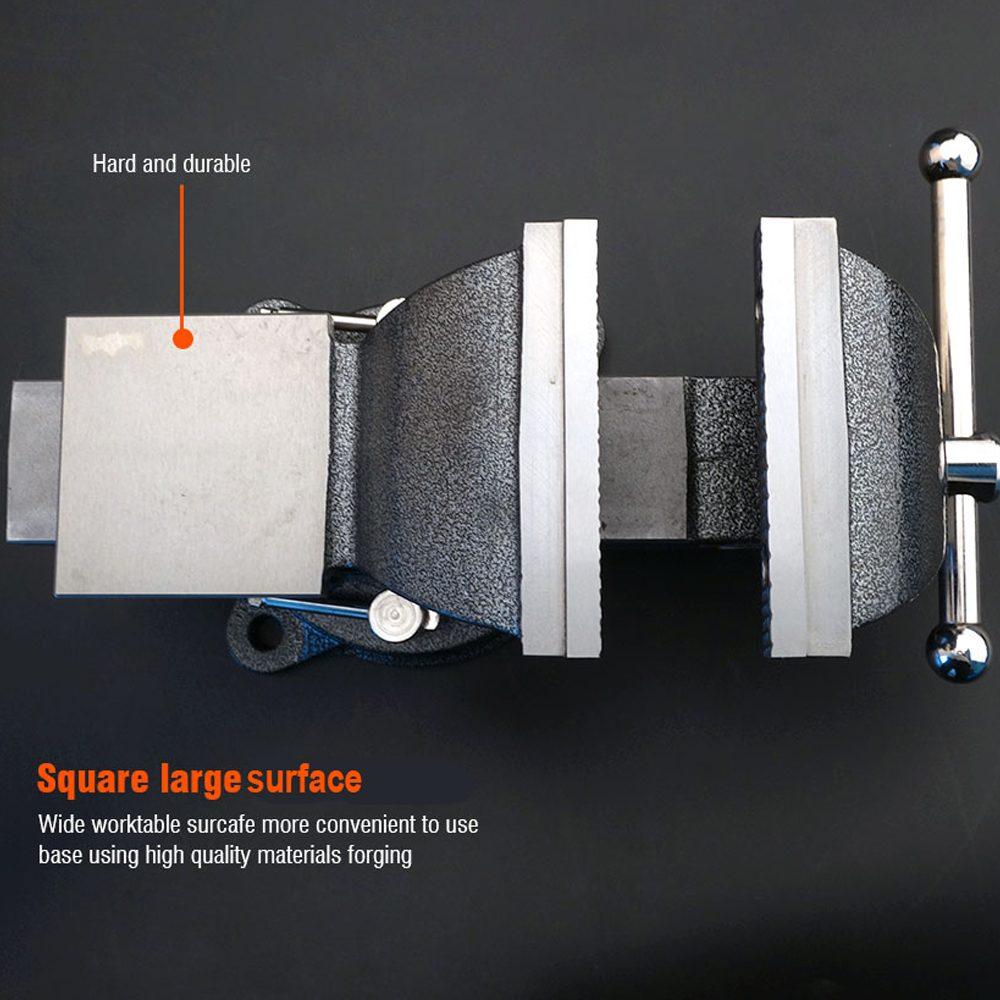
The care is straightforward and often skipped. Soft jaw liners — aluminium angle, copper sheet, leather — on any work that is threaded, plated, machined or soft, because the hardened serrations will bite into all of them. Hand pressure on the handle only; a length of pipe over it bends screws and springs jaws out of parallel. Keep the screw and the slide clean and greased, since grit in the slide is what makes a vice stiff and eventually wears it loose. And use the anvil pad behind the jaws for hammering, never the jaws themselves. Message us on WhatsApp for a price, or for a comparison against the 6" if your work is heavier.
Specifications
- Made from cast steel bench vise
Packing: 1 pcs per carton
Add it to your order and we'll confirm the price and stock, or message/call us right away — retail or trade.
Ask about this product
Leave your details and we'll get back to you — or reach us instantly on WhatsApp or by phone.
More clamps & vices
View all →
Buying in bulk, or need a stock check?
Message or call us and we'll help you right away — retail or trade.