
 1 / 6
1 / 6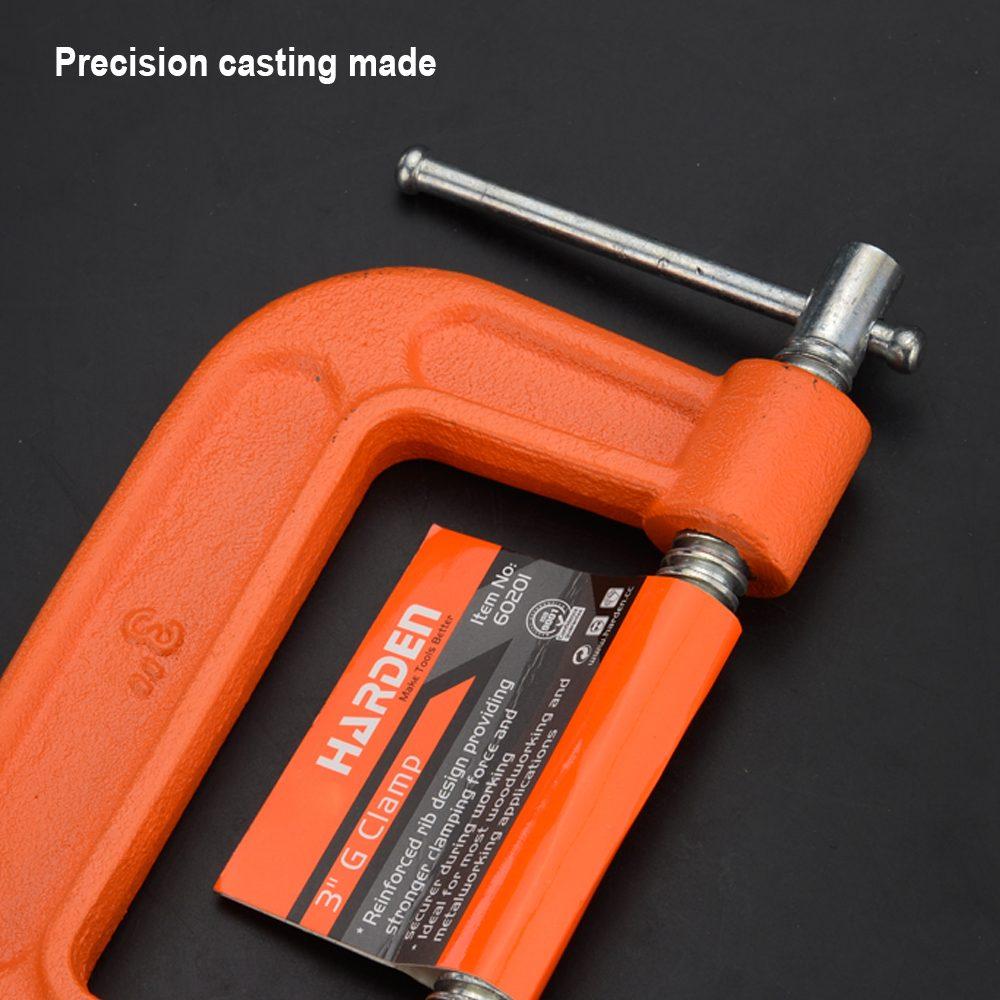
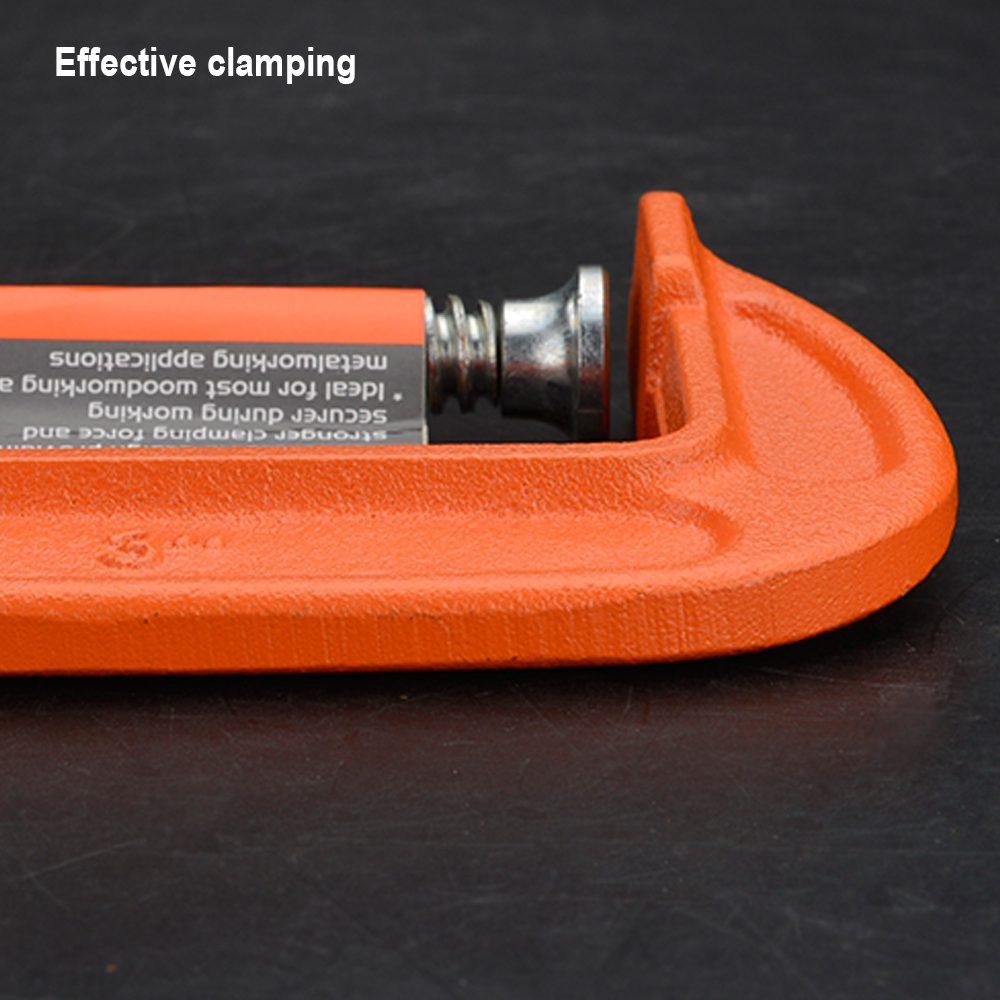
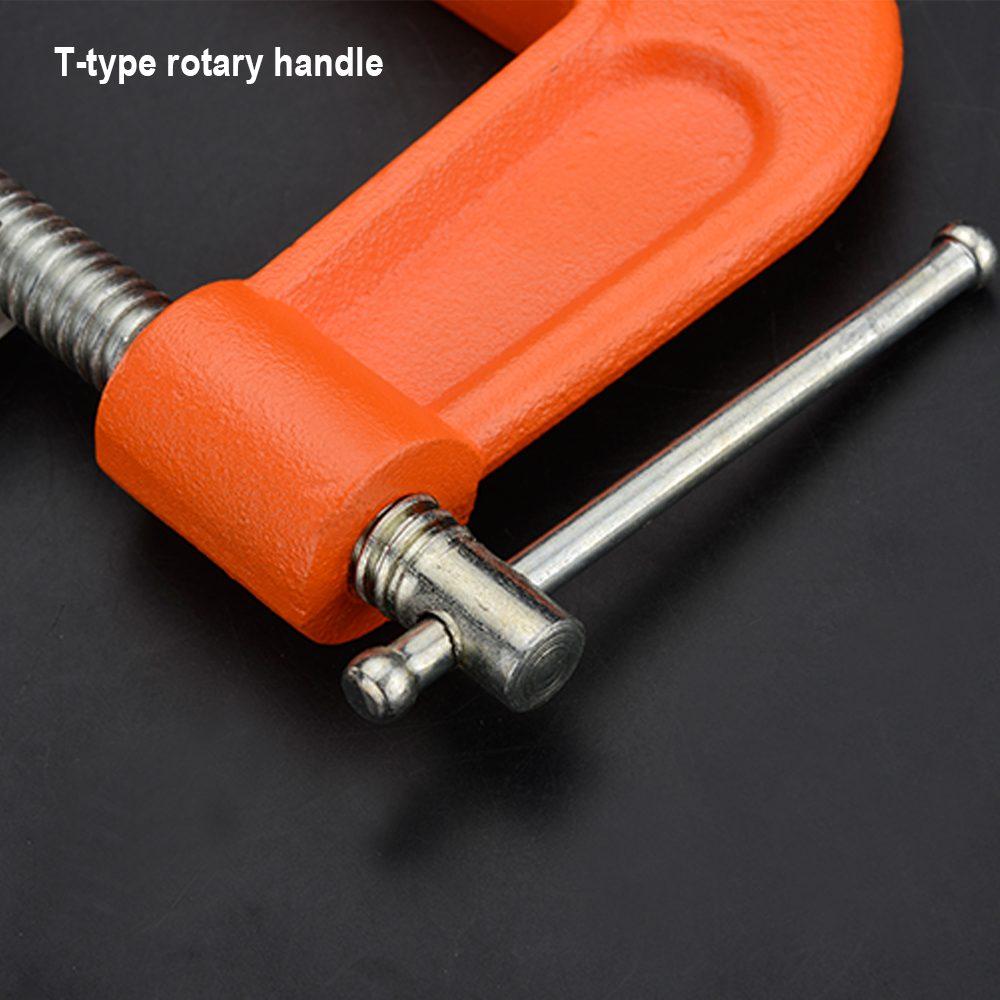
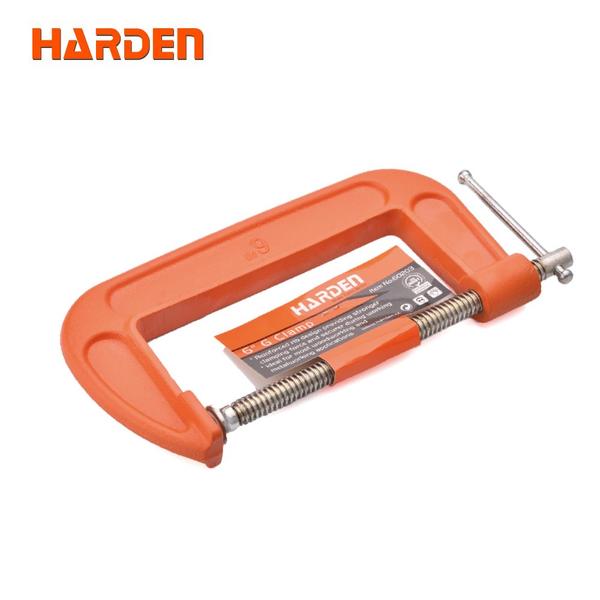
G Clamp (6")
Item No. 600203
Price on request
Six inches is where a G clamp starts working in timber rather than in metal. Structural softwood, floor and roof members, door frames, bench tops, two boards face-glued, a batten across a pair of joists — these are the thicknesses that a four inch clamp cannot get round, and they make up a great deal of ordinary carpentry and site joinery.
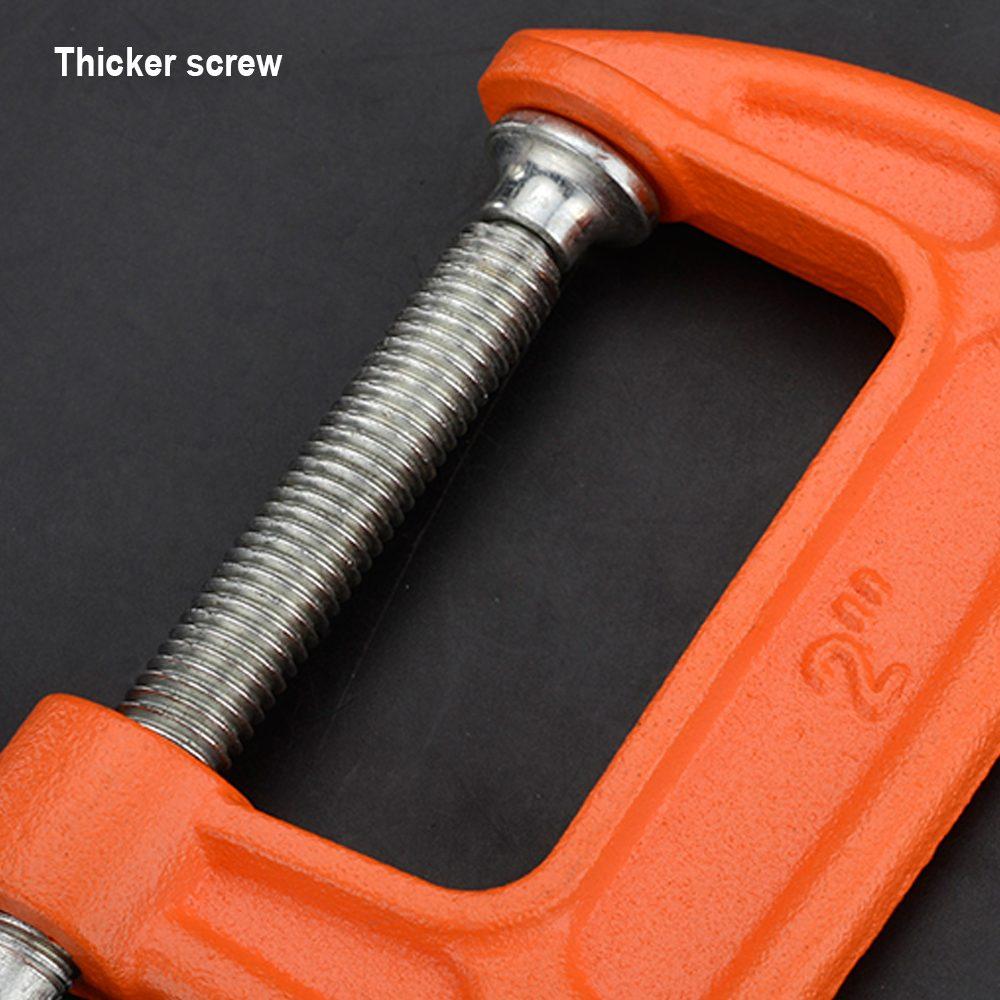
That change in typical use brings a change in what matters. In fabrication you want a clamp that holds absolutely rigid through heat and hammering. In timber work you are usually holding a glued joint closed while it sets, and what matters is even, sustained, controllable pressure over hours. The acme thread on the spindle is what delivers that. Its broad trapezoidal flanks put much more of your turning effort into clamping force than a sharp V thread would, and, just as importantly, the shallow helix means the clamp holds its setting rather than backing off as the timber compresses and relaxes under it.
The frame is high grade iron casting. On a six inch clamp the arch is long enough that stiffness is a real question — every bit of spring in the frame is pressure that does not reach the joint — and cast iron's very high stiffness in compression is what keeps that arch from opening out under load.
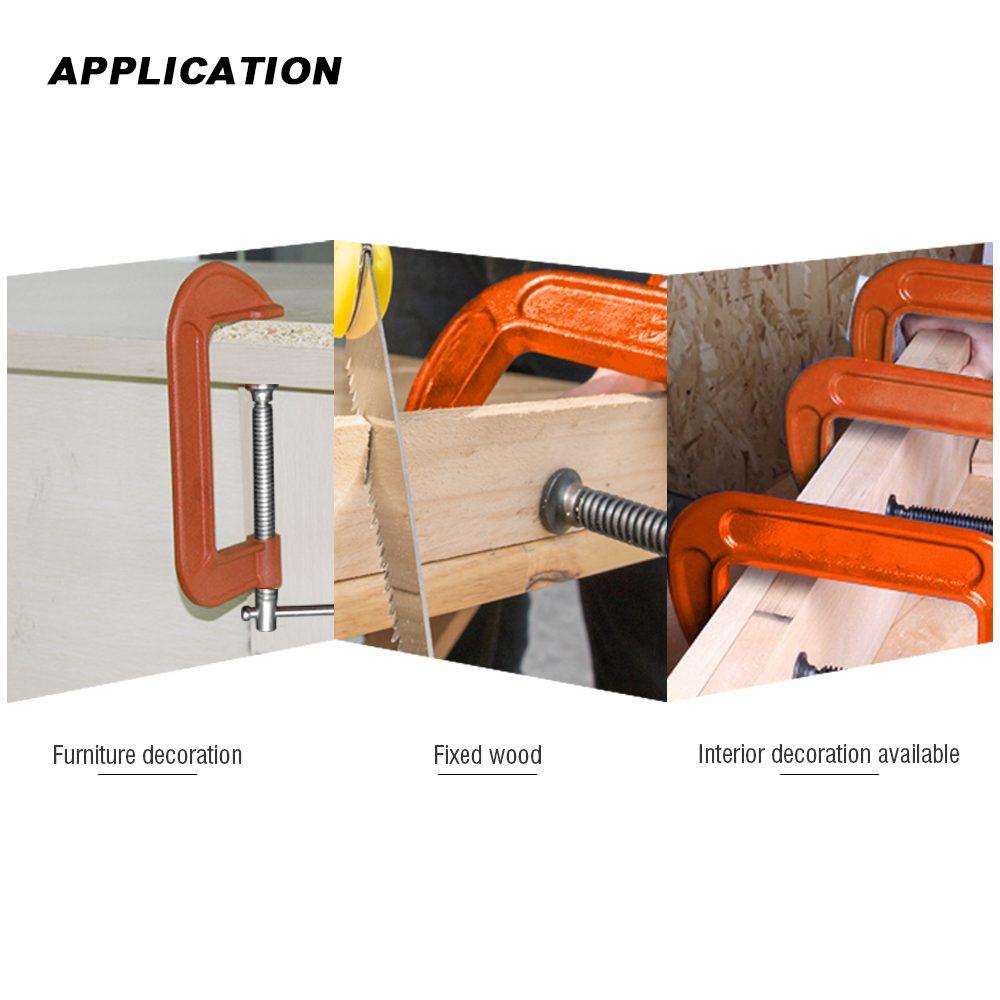
The work at this size: gluing and cramping joinery, holding rails and stiles square while they are screwed, fixing temporary battens and straightedges, holding formwork and shuttering together, clamping through a bench top into thick stock, and on the metal side holding heavier sections and plate for tacking.
The buyers are carpenters and joiners, shopfitters and furniture makers, building contractors on formwork and temporary works, and fabricators working in heavier section. Hardware dealers supplying the building trades keep sixes alongside the smaller sizes.
Three points specific to timber work. Always use packing blocks — six inches of clamp generates enough pressure to crush the fibres of softwood into a permanent dent, and a scrap of hardwood or ply spreads the load. Watch what the clamp does to your alignment as it closes: a single clamp pulling on one side of a joint will pull the assembly out of square, so work in pairs or check with a square as you tighten. And do not leave it wound tight in storage; the thread and the frame both prefer to be stored relaxed, and a clamp left under load for months develops a stiff spot.
Keep the thread clean and lightly oiled, and tighten by hand rather than with a bar through the handle. Cast iron is stiff and strong but it does not bend before it breaks, so the extra force from a lever is the thing that finally cracks a frame. Ask us on WhatsApp for a price, and tell us how many you need — clamps are always bought in pairs or fours in practice.
Specifications
- Made from high grade iron casting
- The spindle has acme threads for a smooth operation and maximum clamping pressure
Packing: 24 pcs per carton
Add it to your order and we'll confirm the price and stock, or message/call us right away — retail or trade.
Ask about this product
Leave your details and we'll get back to you — or reach us instantly on WhatsApp or by phone.
More clamps & vices
View all →
Buying in bulk, or need a stock check?
Message or call us and we'll help you right away — retail or trade.